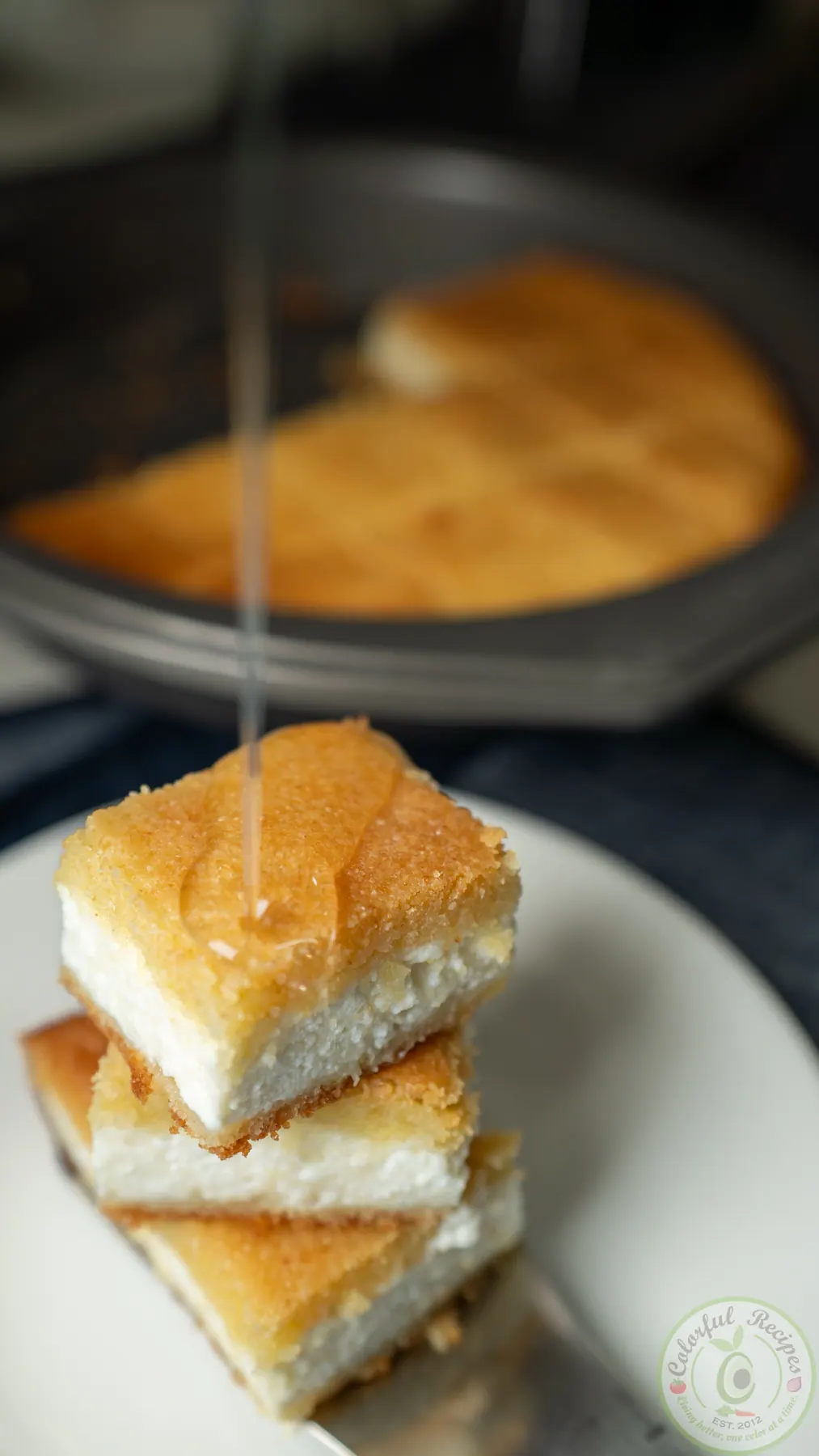
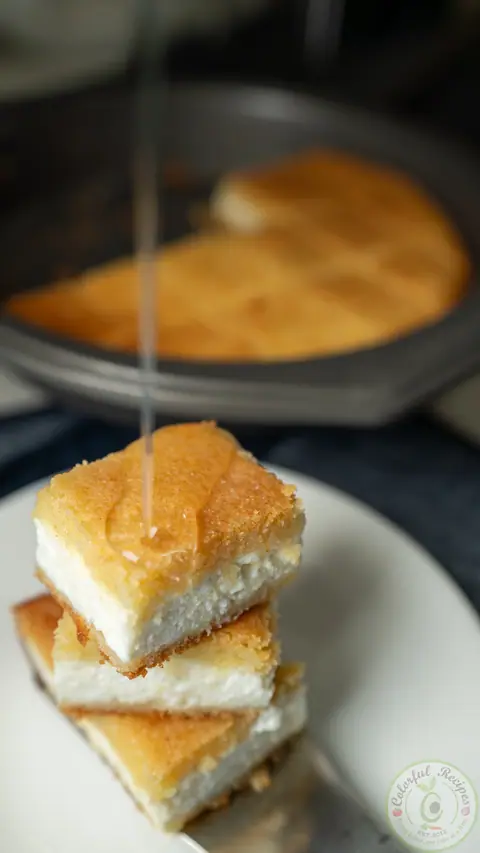
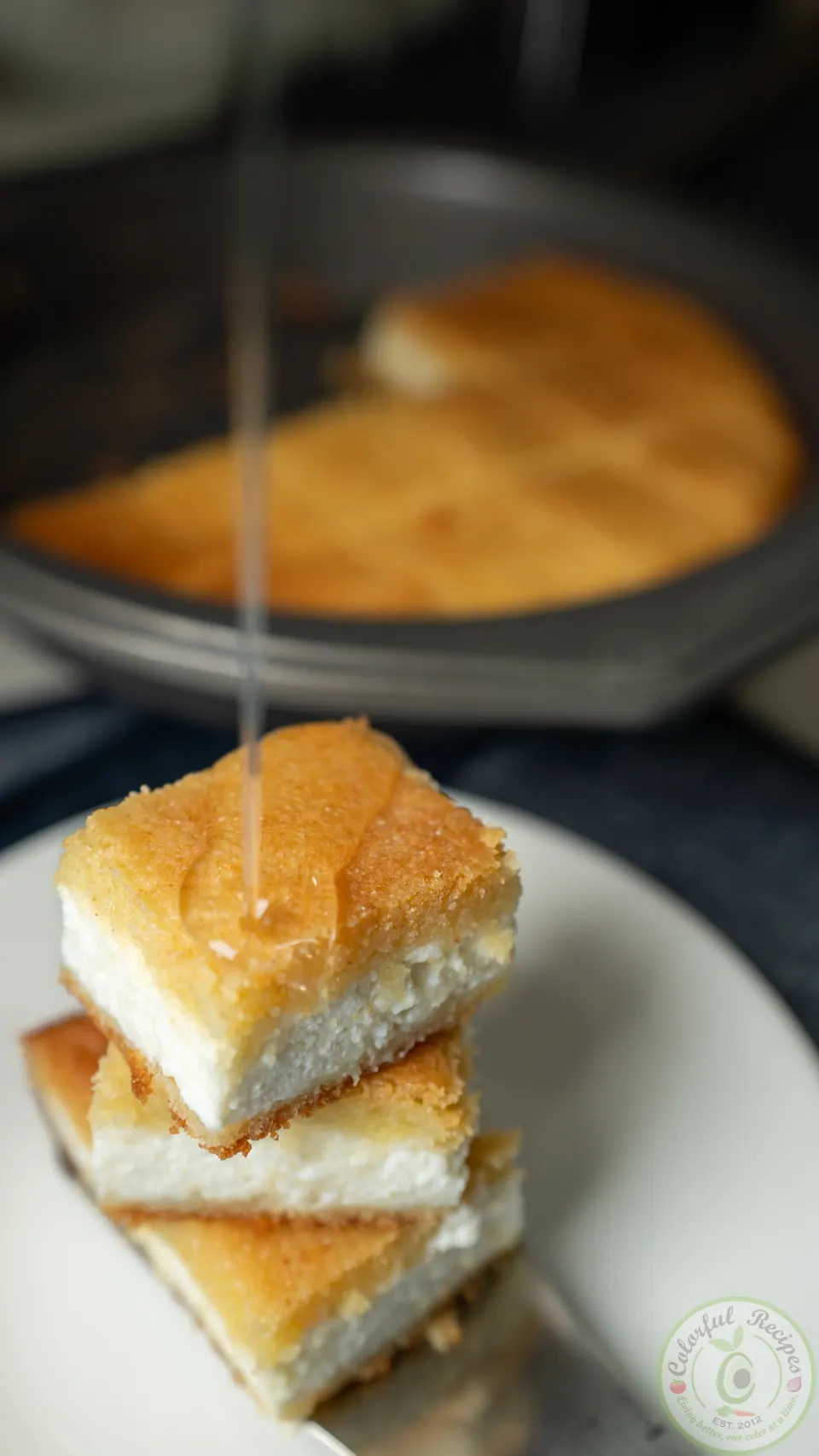
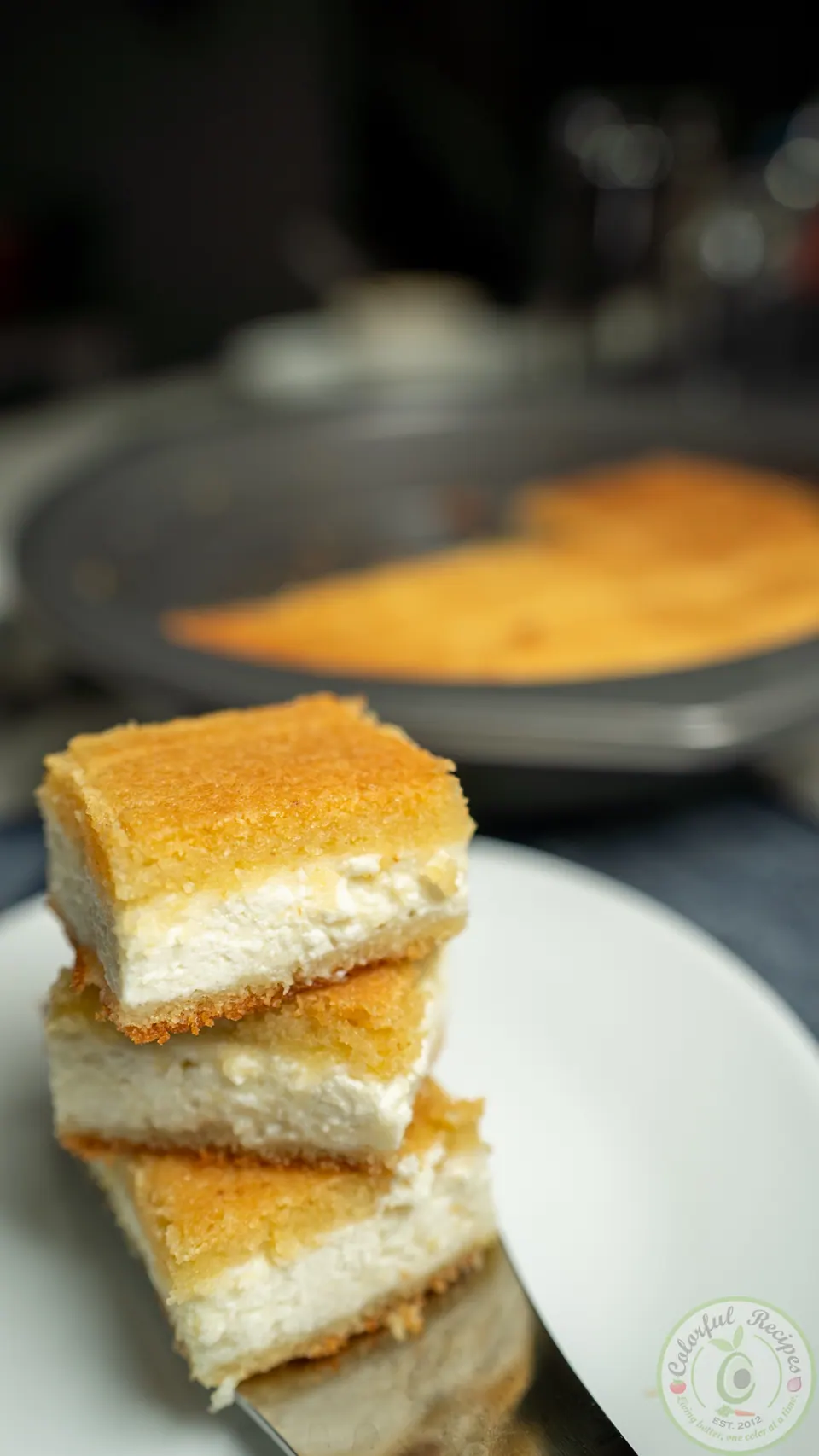
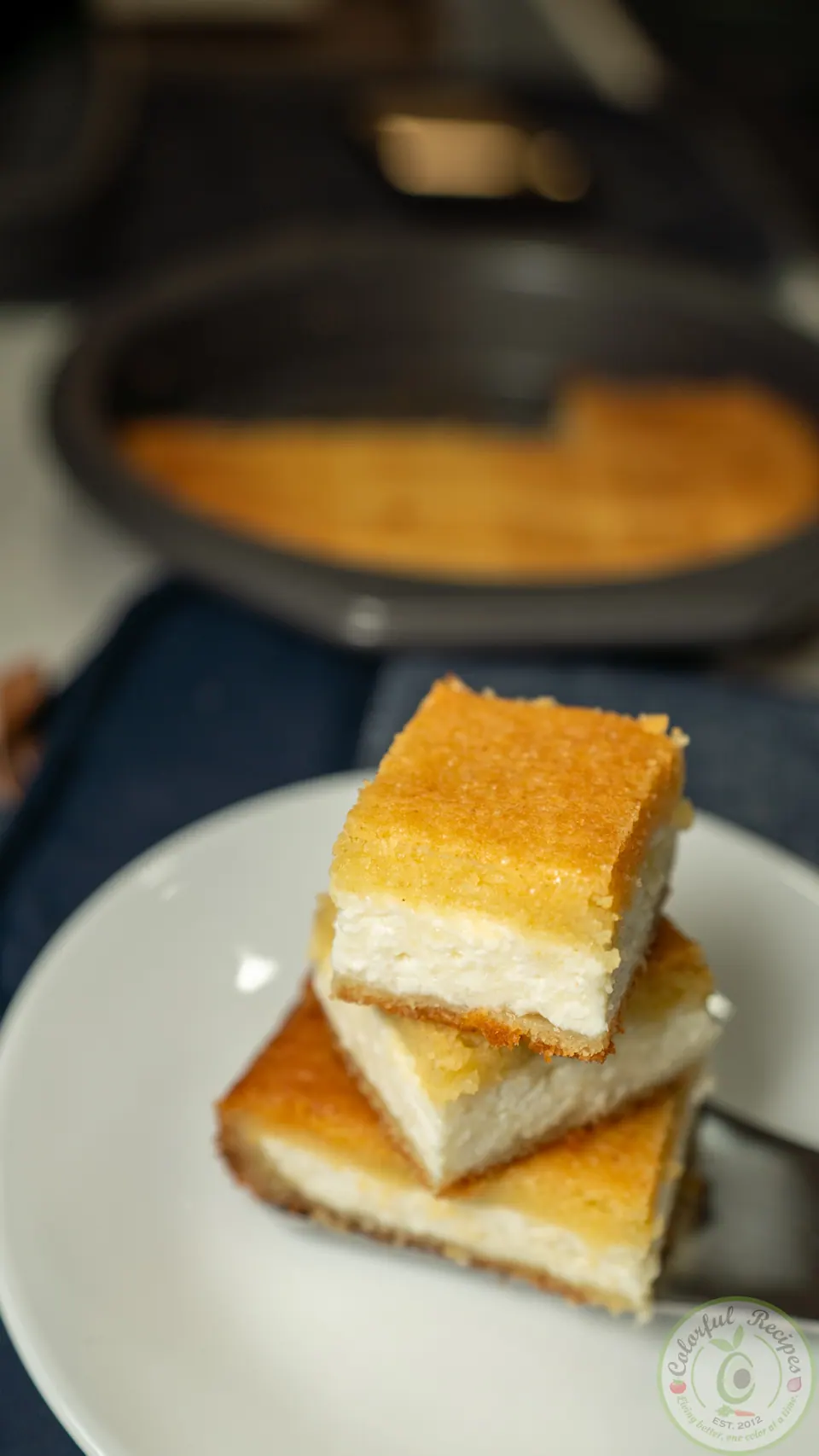
Maamoul Mad bi Ashta is a traditional Lebanese dessert of buttery semolina pastry filled with fragrant ashta cream and glazed with orange blossom sugar syrup. A true labor of love!
In the heart of Lebanese cuisine lies a sweet treat that has captured the hearts and taste buds of many. Maamoul Mad bi Ashta, a traditional Lebanese dessert, is a masterclass in textures, flavors and presentation. This delightful semolina pastry filled with ashta cream is a staple in Lebanese bakeries and households, especially during special occasions and celebrations.
Start by softening the 14 TBSP of butter at room temperature for or more. Do not microwave or melt the butter. A shortcut is to place the butter in a slightly warm oven for to speed up the softening. But again, do not melt the butter.
Preparing the Sugar Syrup
1
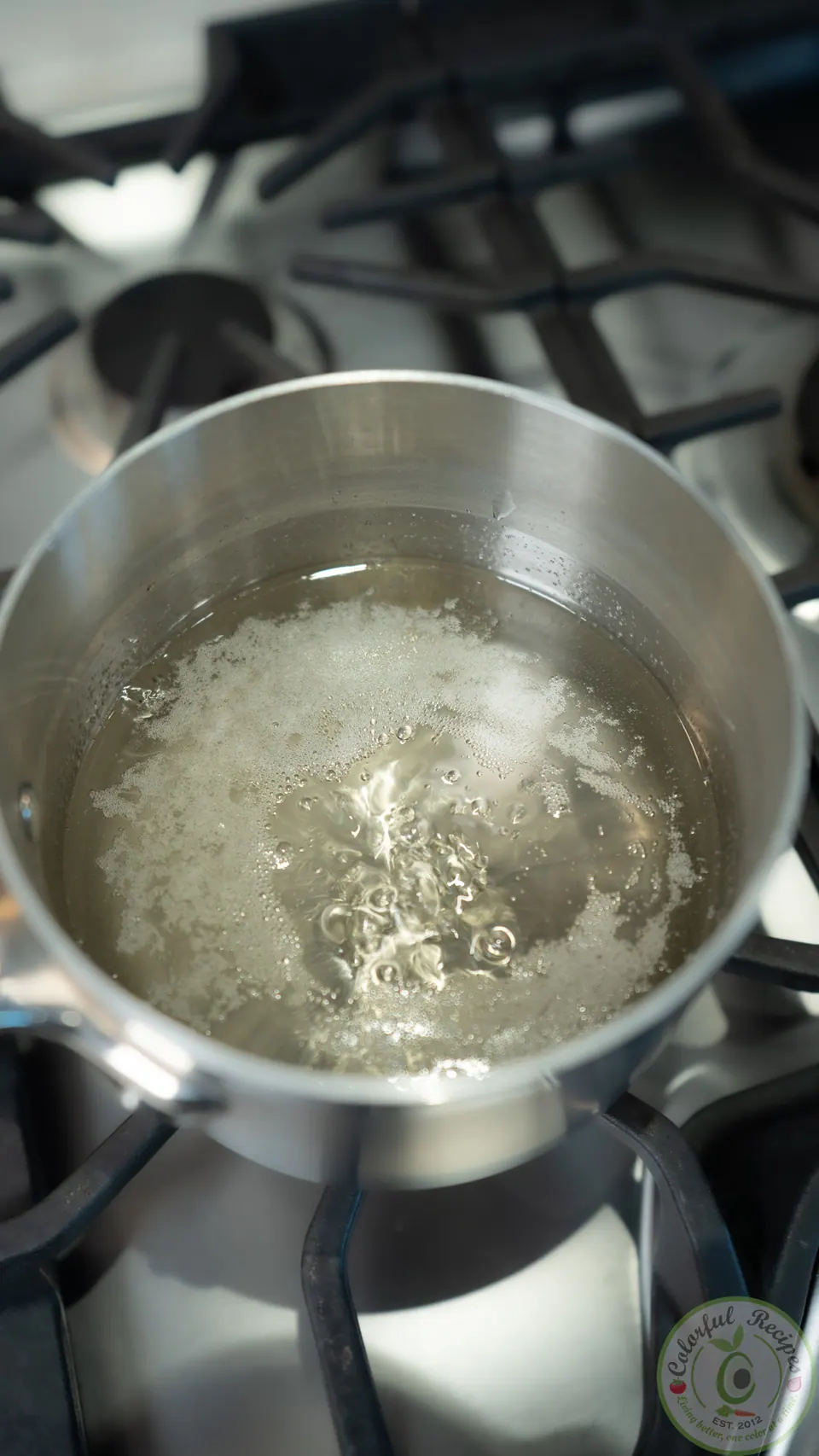
Combine the sugar, lemon juice and water in a small saucepan.
2
Heat over medium-high heat, whisking constantly until the sugar dissolves. Bring the mixture to a boil, then reduce the heat to medium and simmer for .
3
Remove from the heat and stir in the orange blossom water.
4
Allow the syrup to cool completely before transferring it to a jar.
Preparing the Pastry Dough
1
Whisk together the fine and coarse semolina, sugar and salt.
2
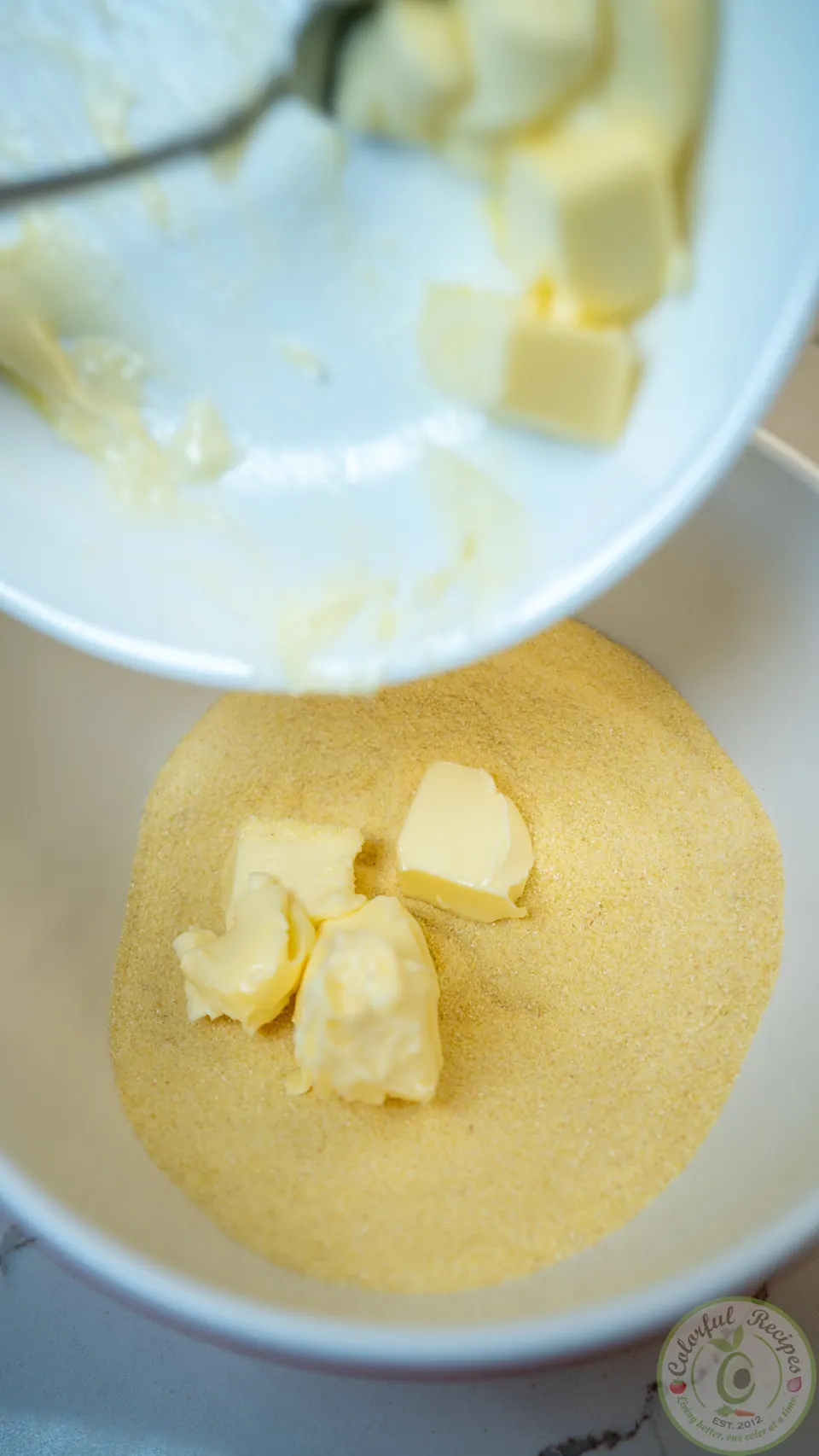
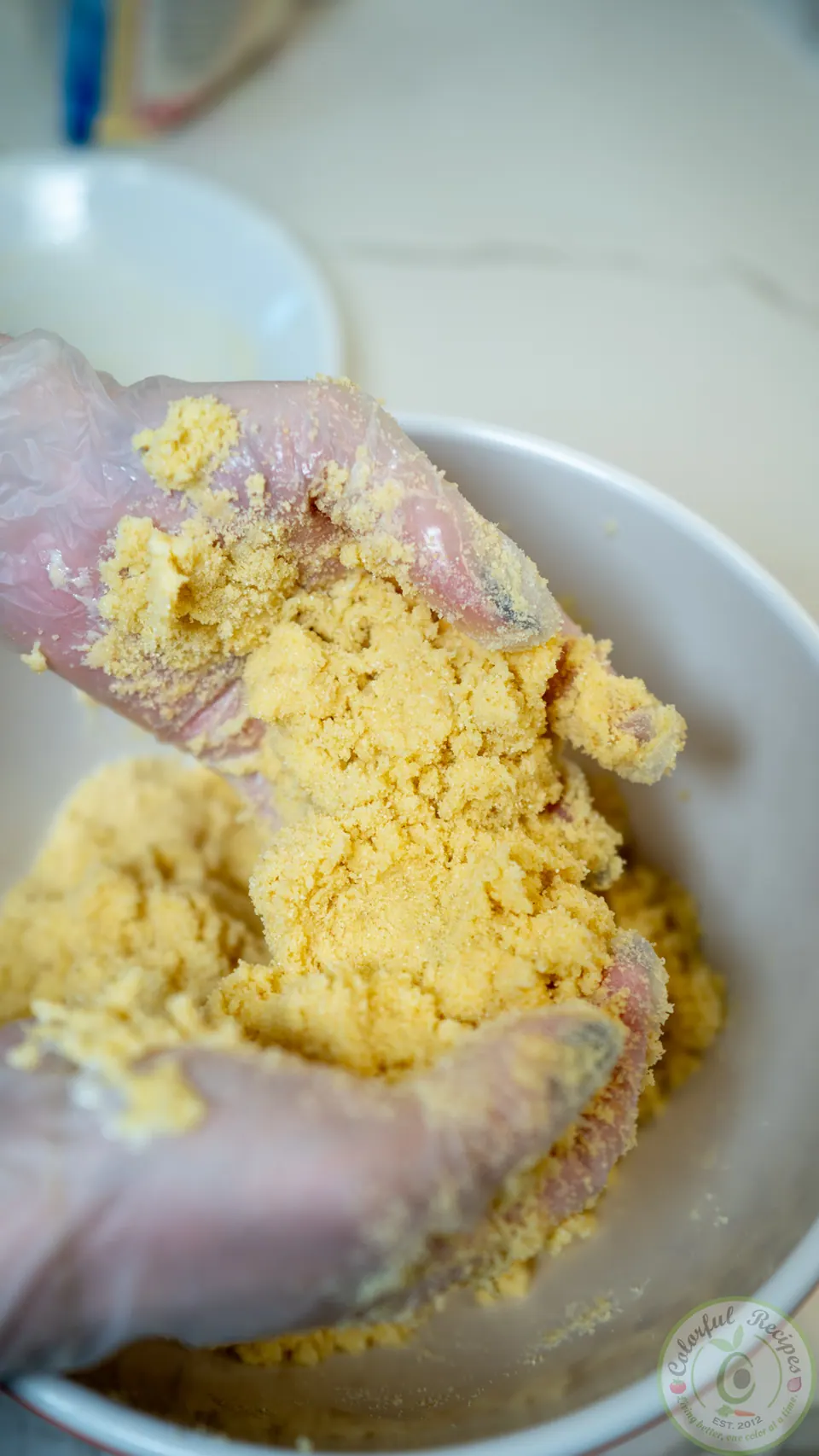
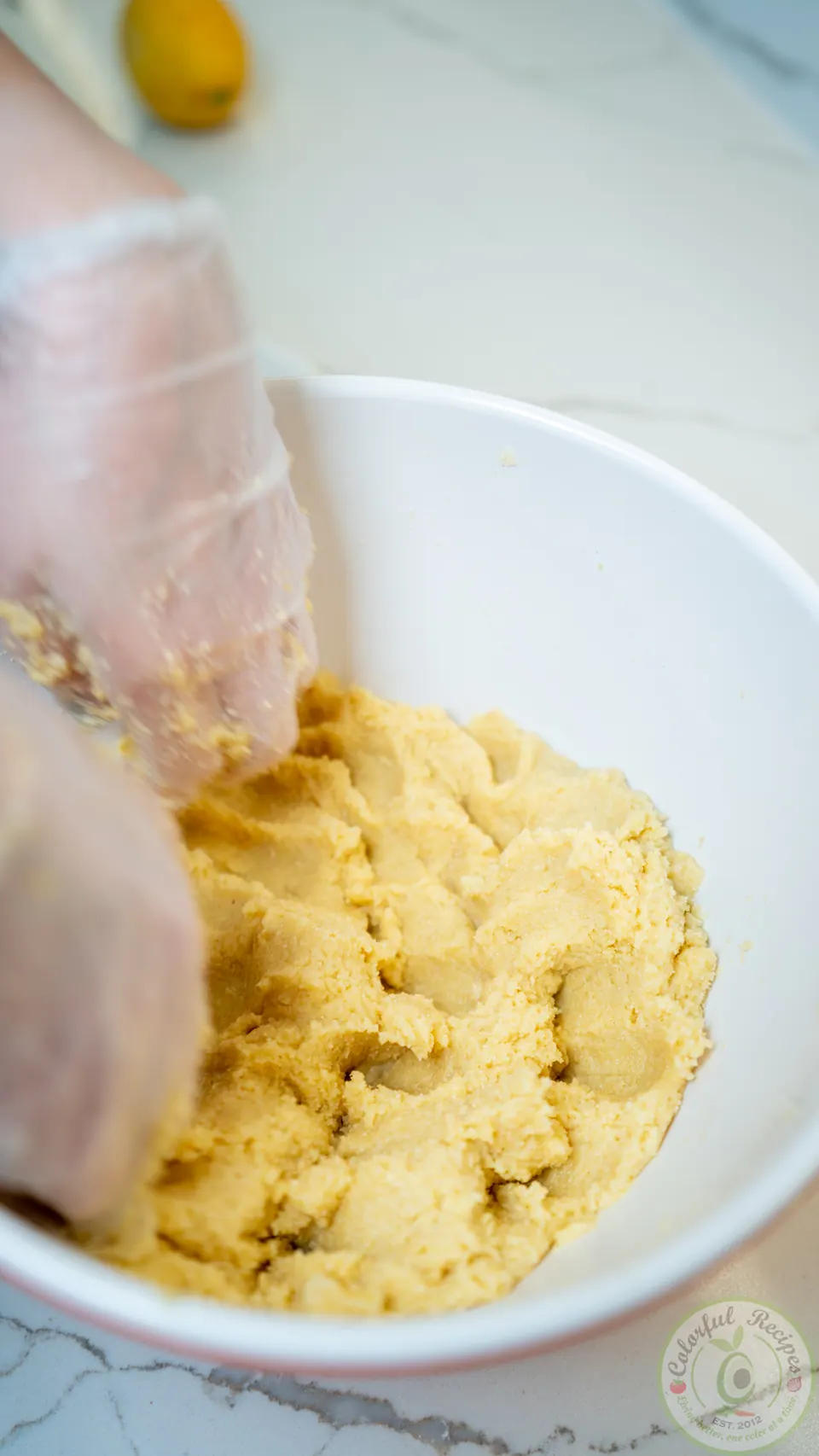
Add all the softened butter and work it in with gloved hands until fully absorbed.
3
Mix in the mahlab and instant yeast.
4
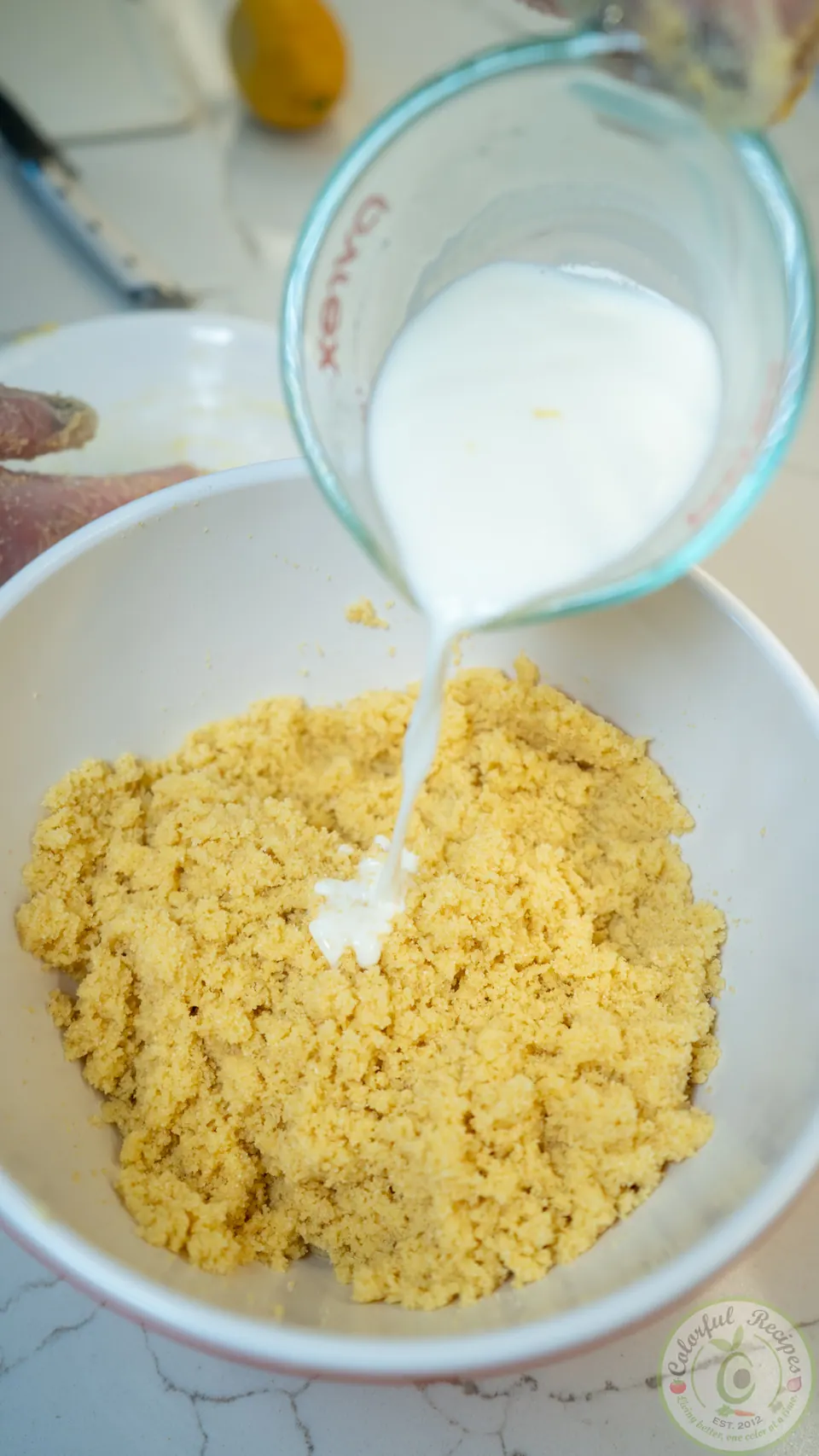
Add the warm milk gradually as you continue to mix the ingredients by hand.
5
Knead by hand for .
6
Stir in 1 TBSP of orange blossom water.
7
Cover and let rest at room temperature for .
Preparing the Clotted Ashta
1
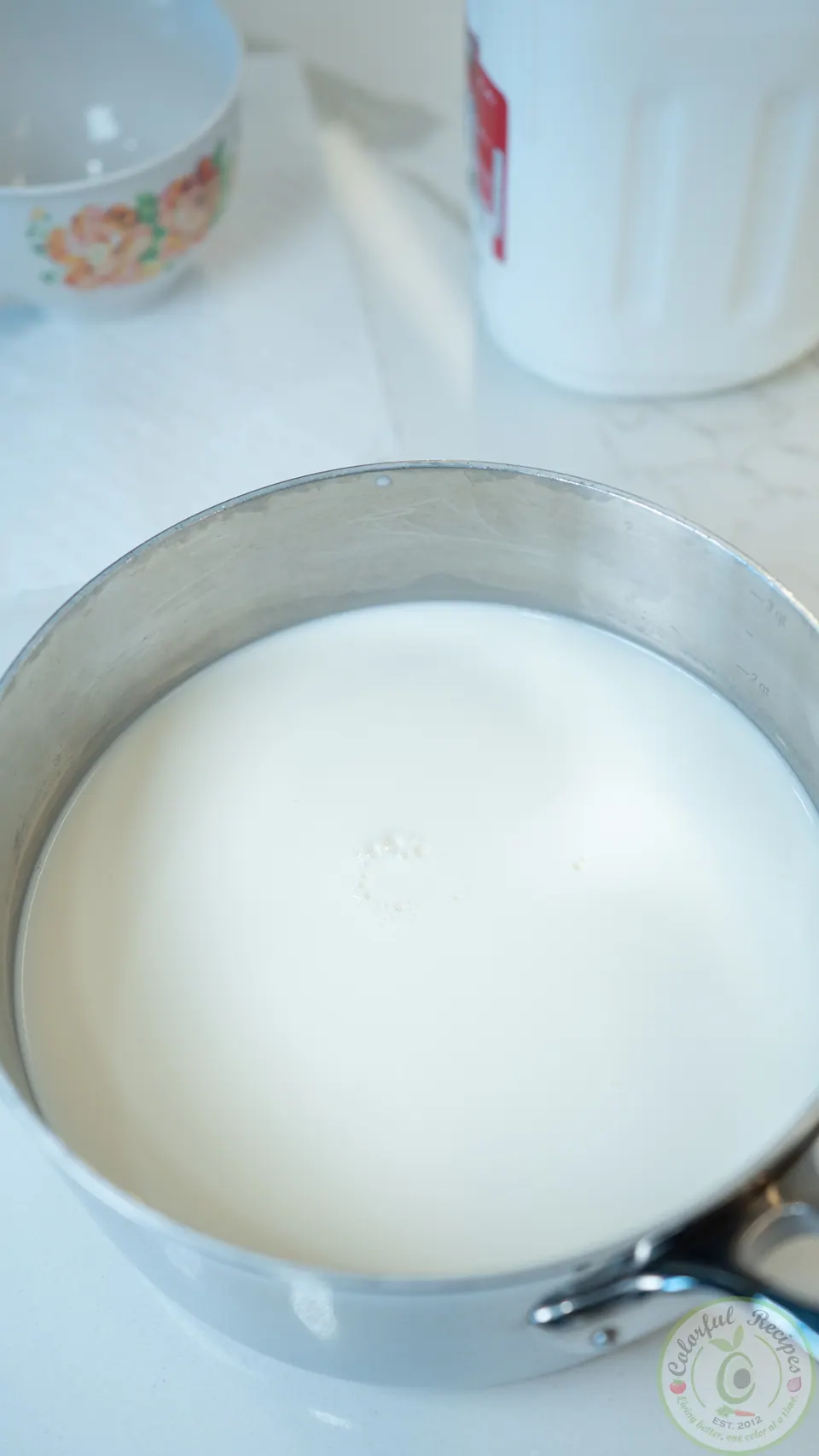
In a medium saucepan or pot, bring 6 cups of whole milk to a boil over medium heat.
2
Reduce the heat to low and stir gently.
3
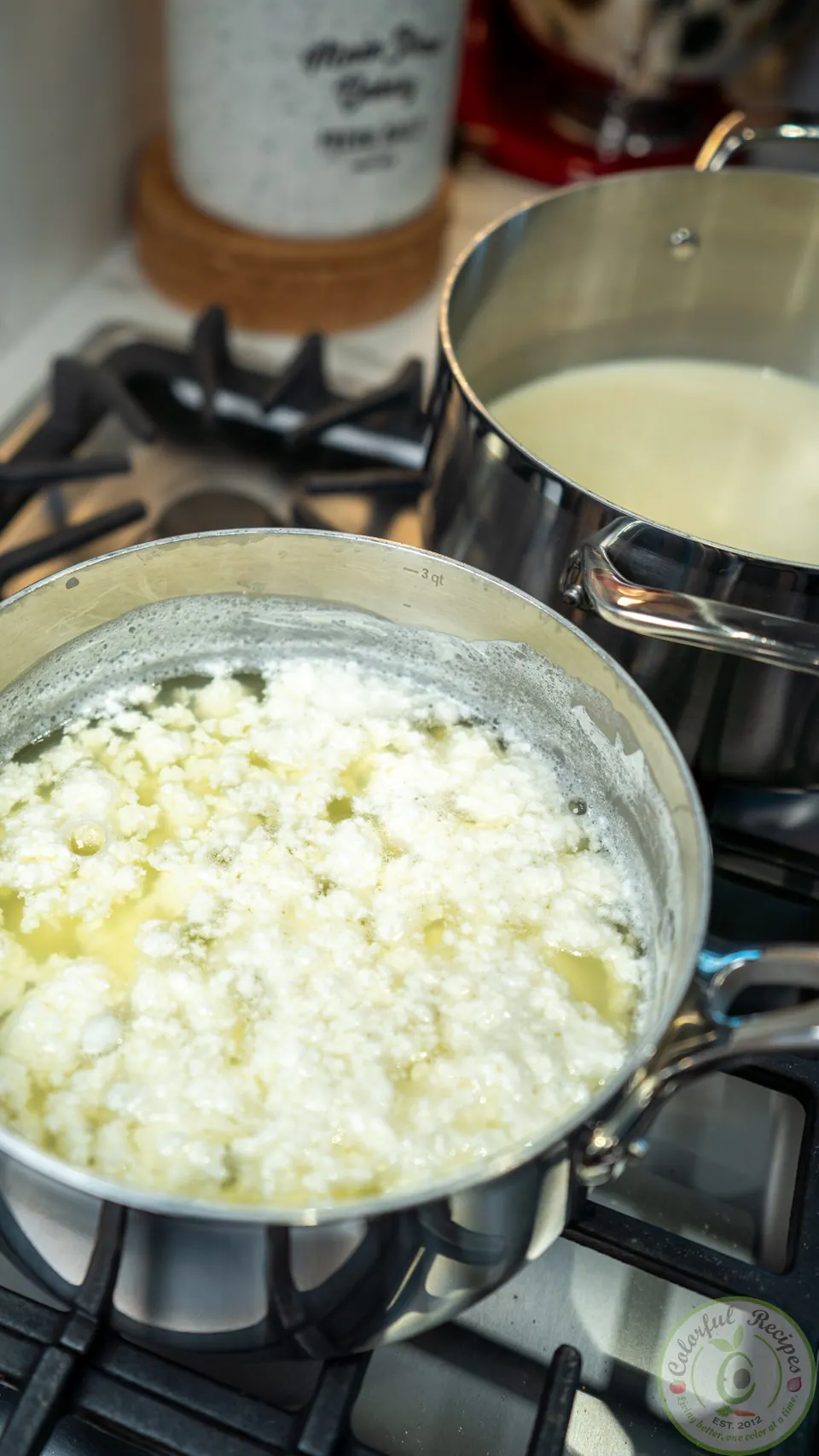
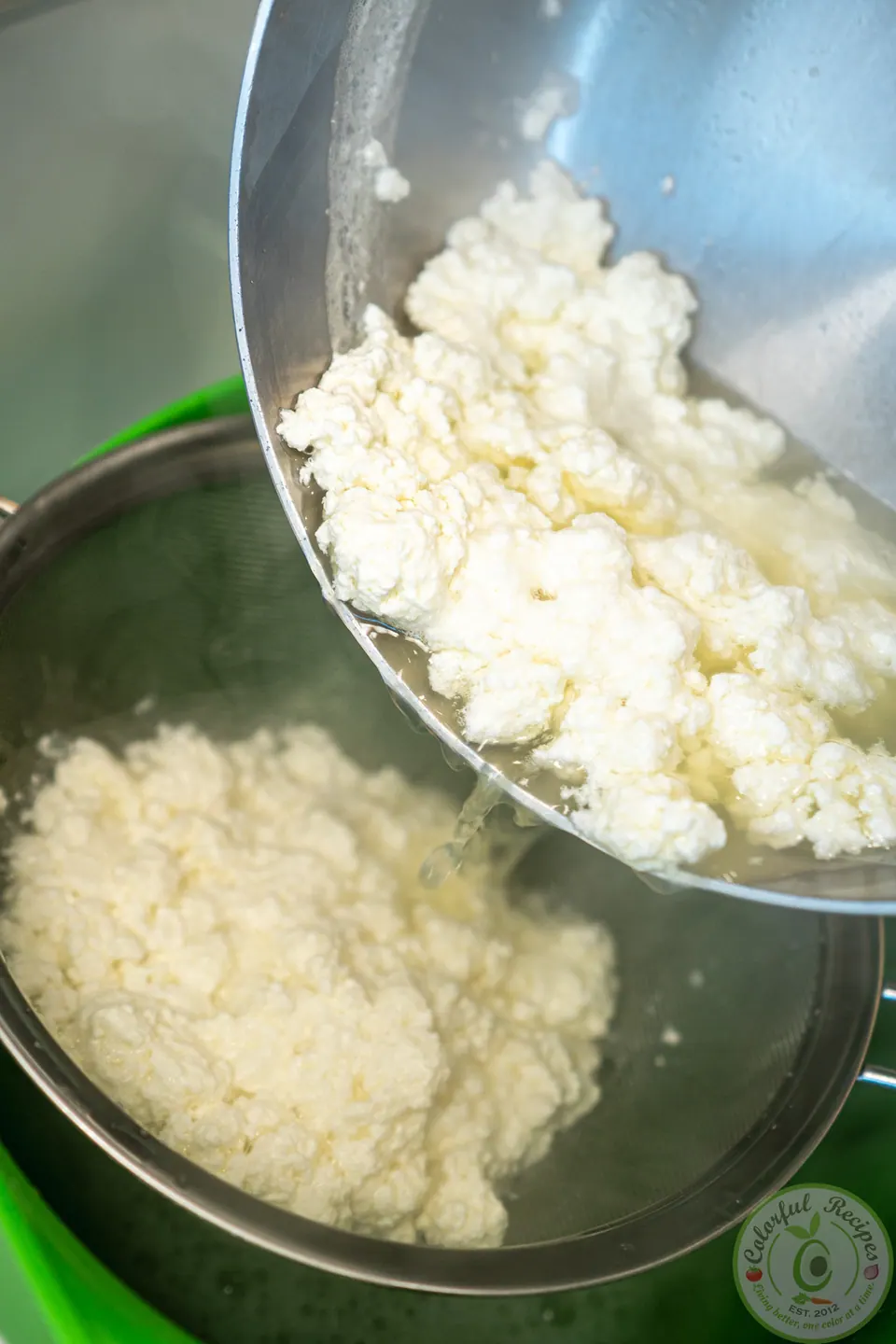
Add 2 TBSP of vinegar and continue stirring gently, allowing the milk to separate. The clotted ashta will rise to the top.
4
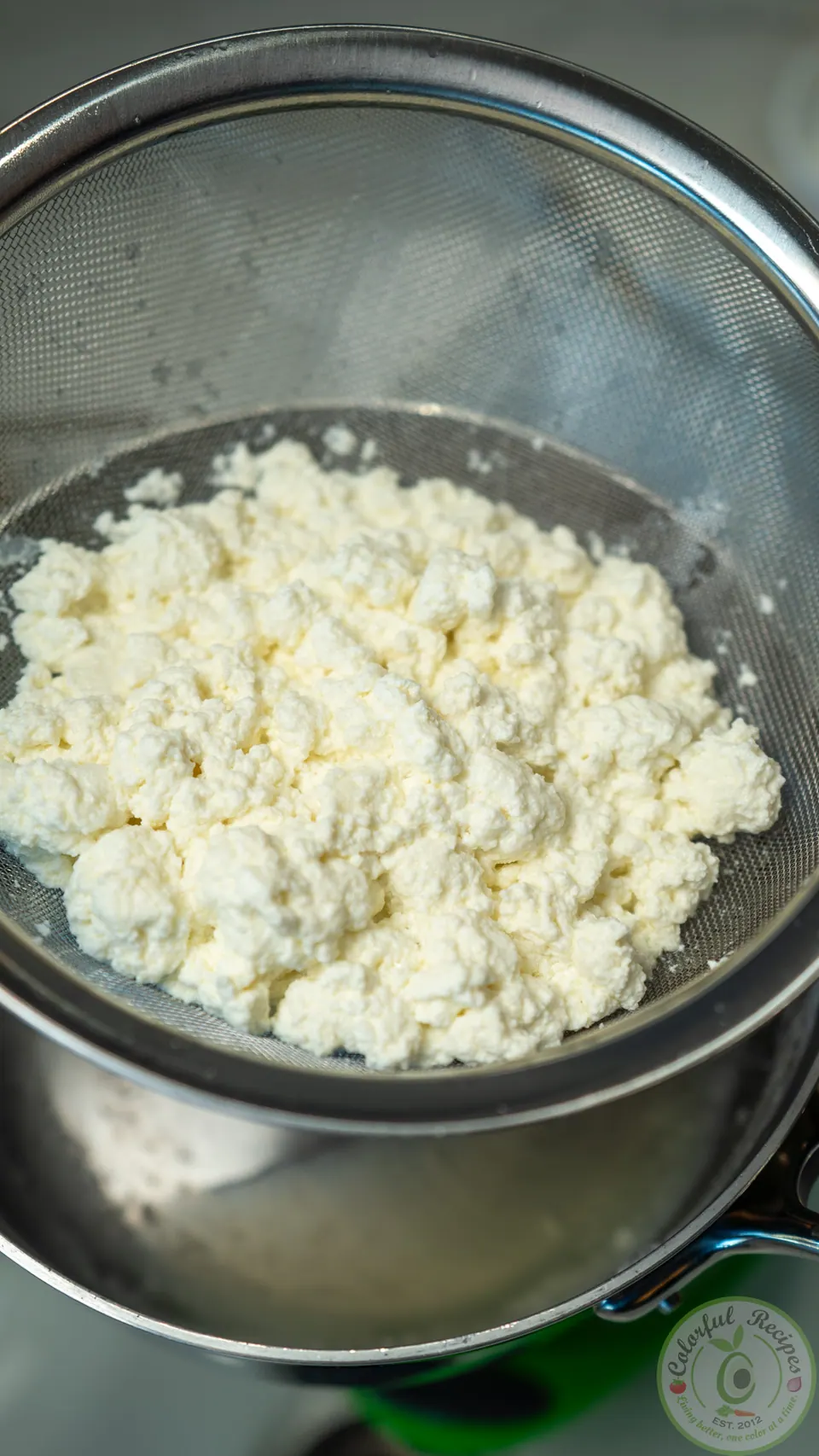
Strain the liquid completely and set aside.
Preparing the Ashta Cream
1
In a large pot, combine 3 1/2 cups whole milk, 1/4 cup fine semolina and 2 TBSP sugar.
2
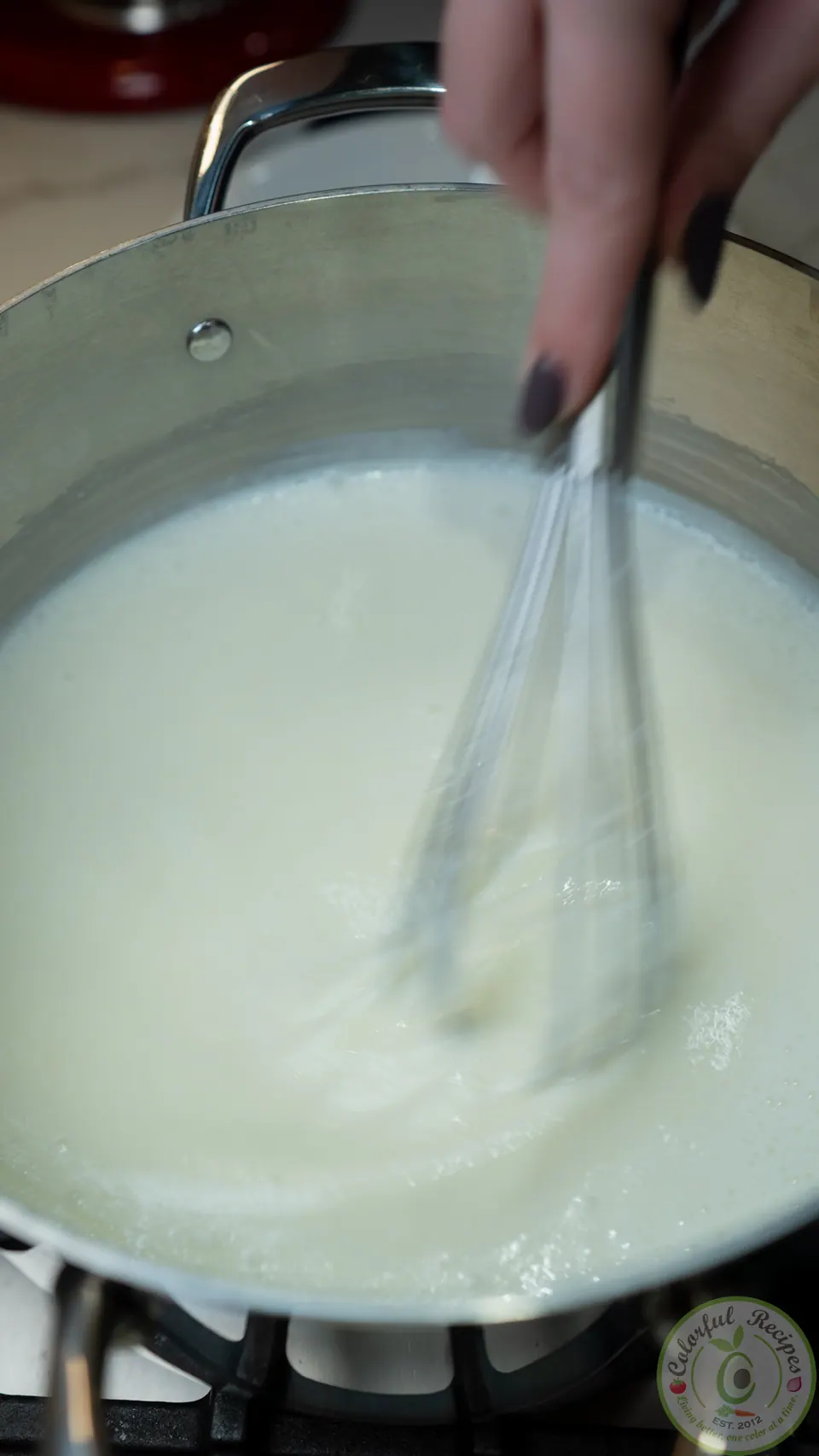
Stir constantly over medium heat until the mixture begins to boil.
3
Reduce the heat a little (not to low) and continue stirring for about or until the ashta thickens a little bit. If you have trouble with this, you can add 1 TSP of cornstarch, but I usually find that unnecessary.
4
Remove from the heat and stir in 1 TBSP orange blossom water.
Combining the Ashta
1
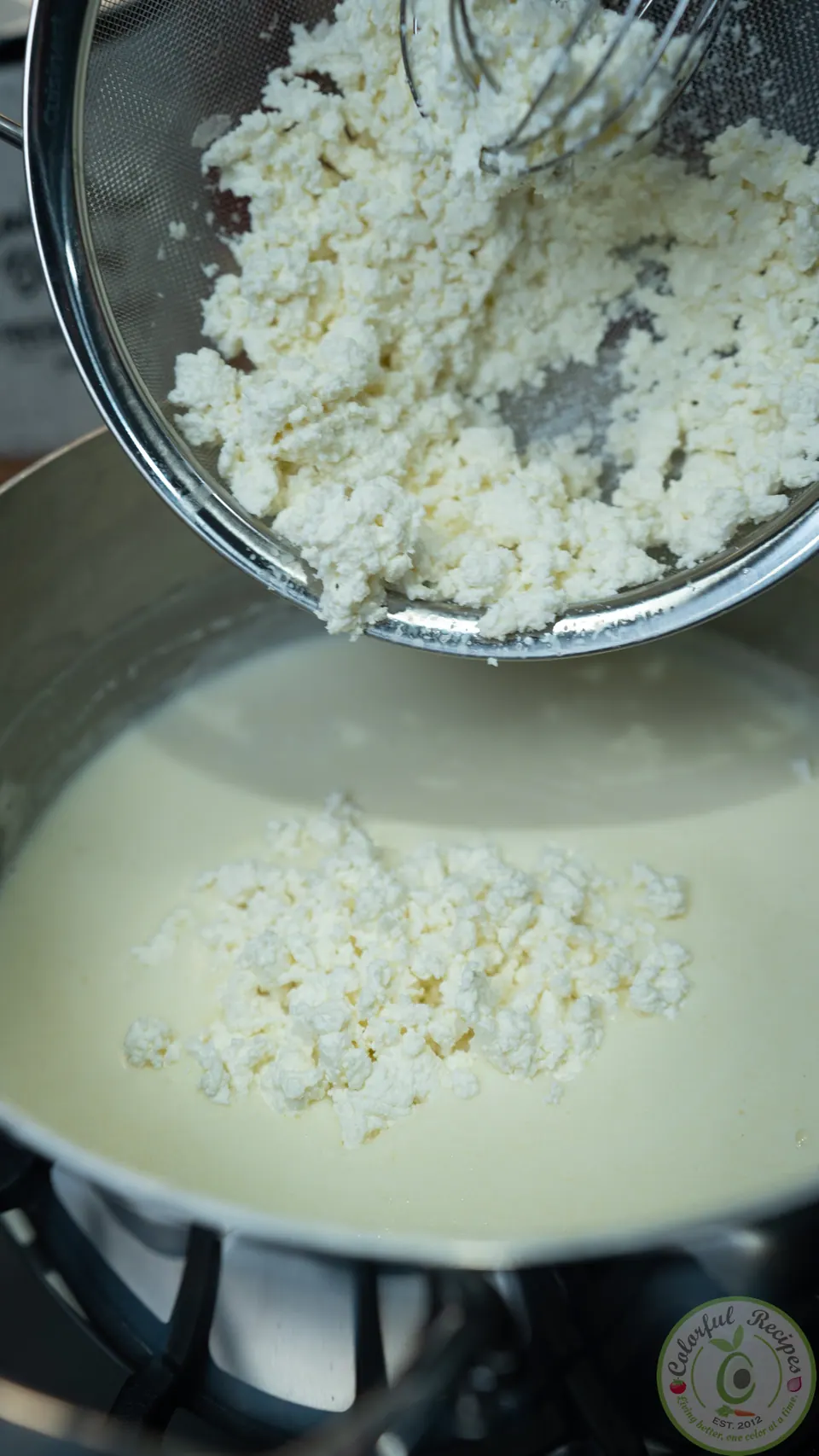
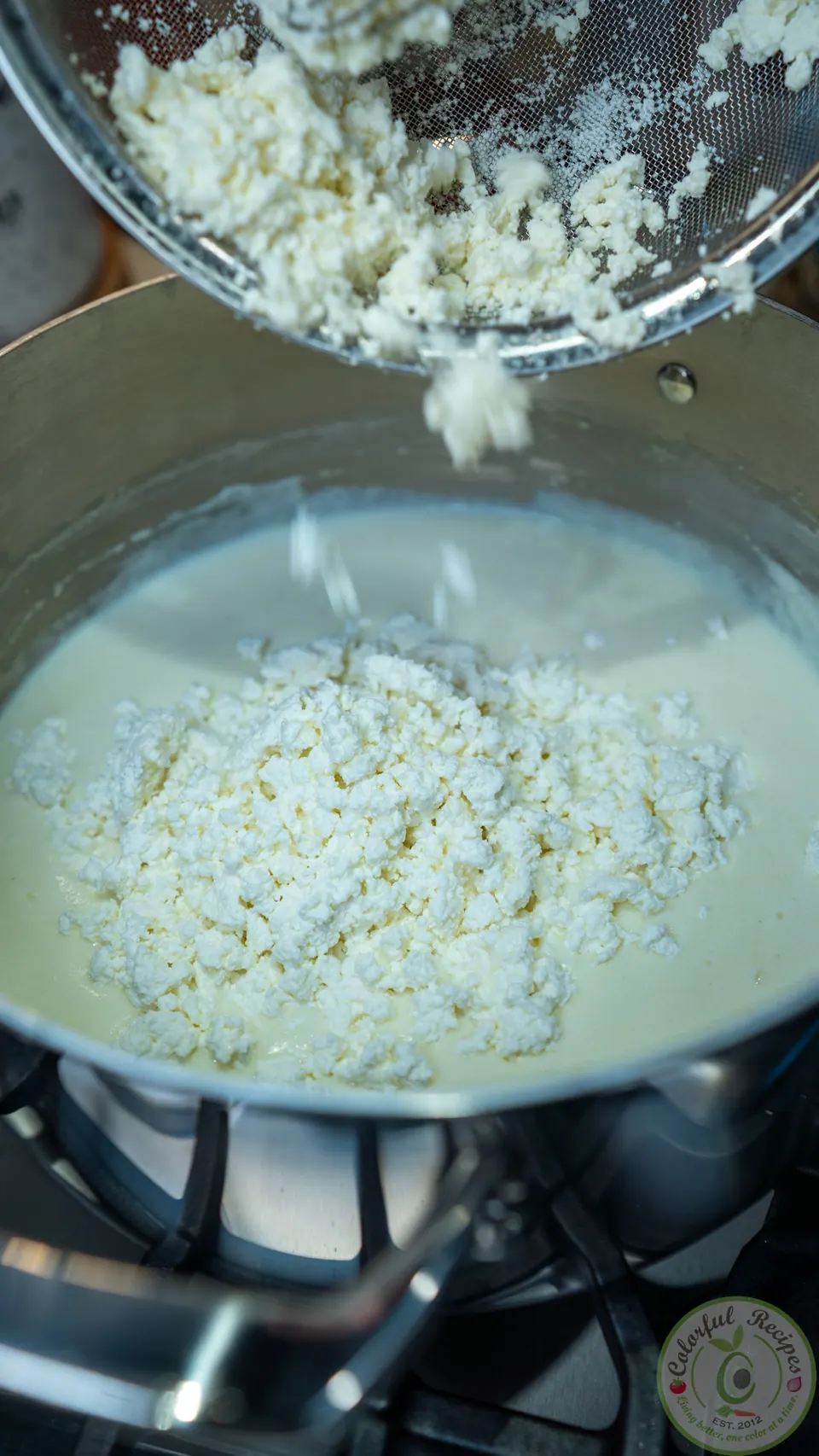
Crumble the clotted ashta into the ashta cream.
2
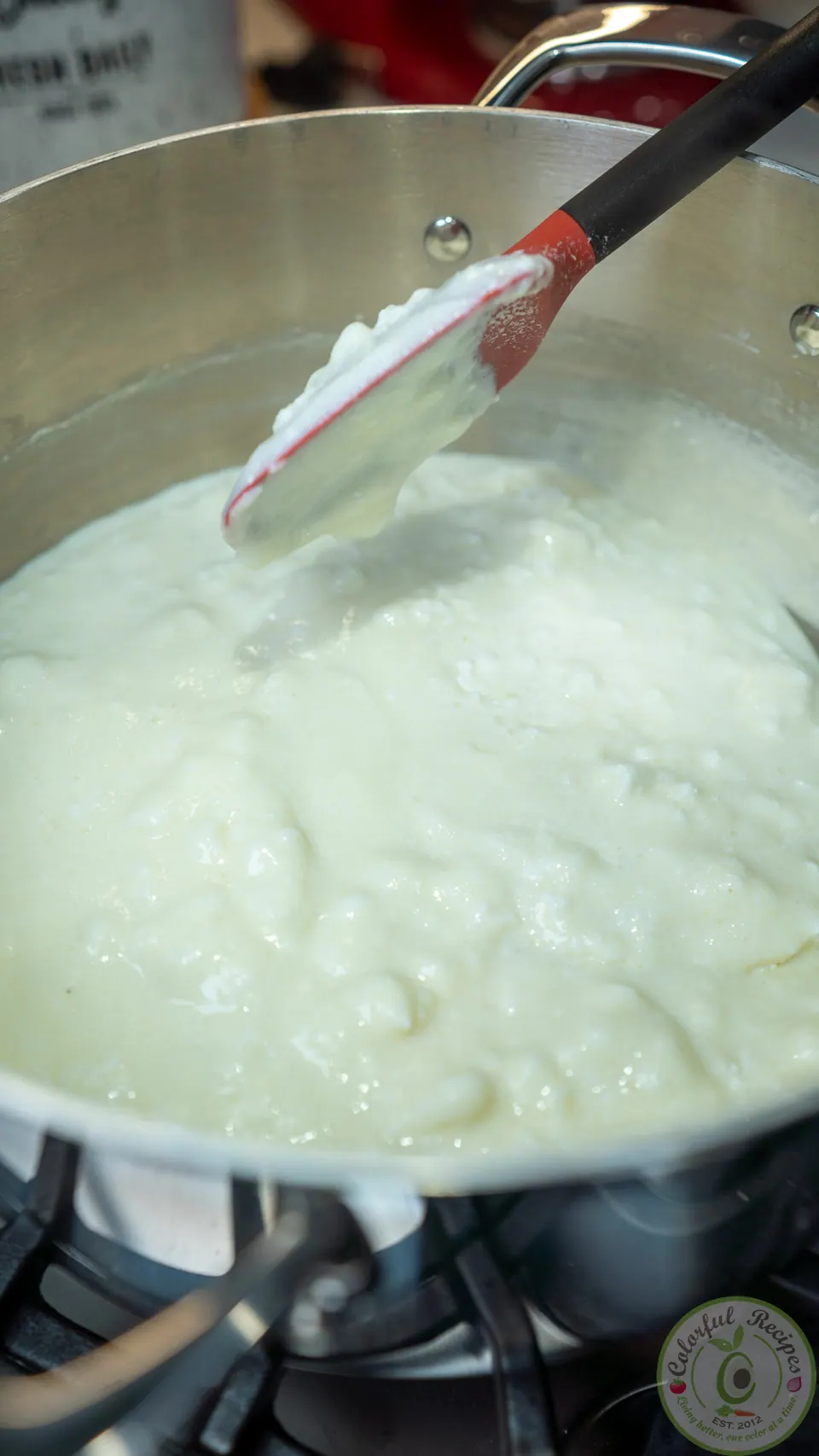
Mix until fully incorporated.
3
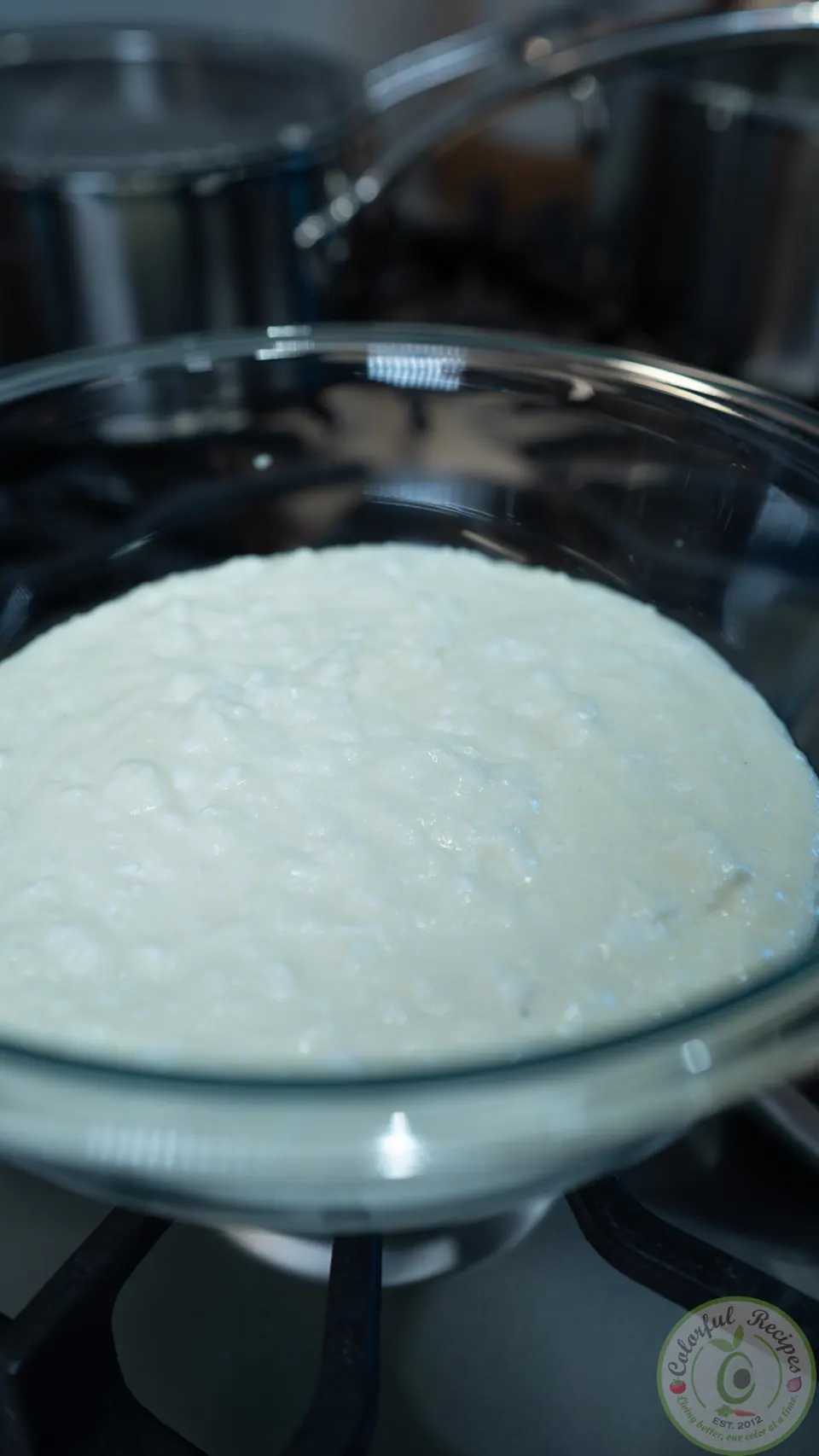
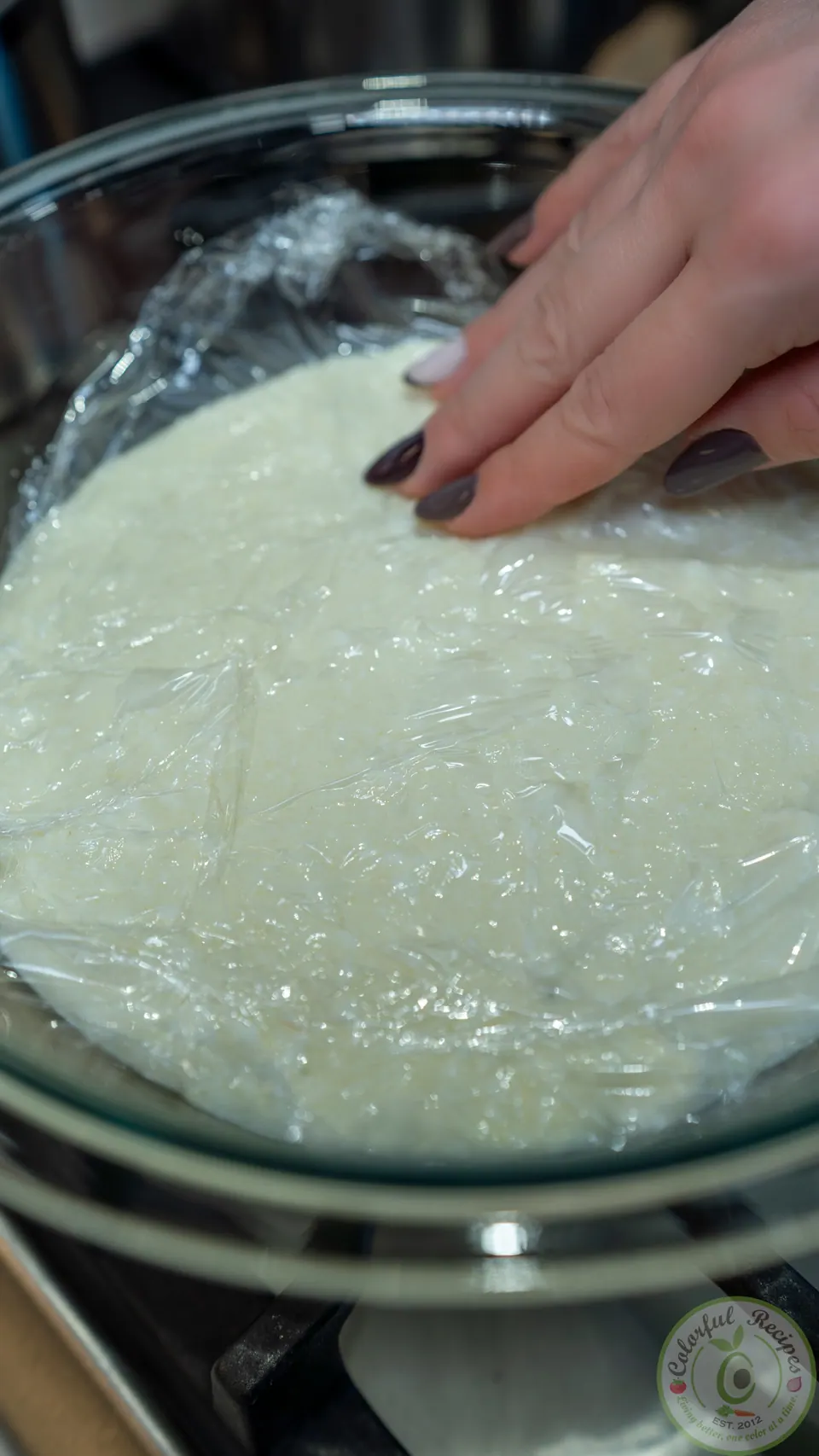
Transfer the mixture to a bowl and cover tightly, making sure the covering touches the surface of the ashta.
4
Let cool completely at room temperature.
Assembling the Pastry
1
Knead the dough for 1 more minute and add another 1 TBSP of orange blossom water.
2
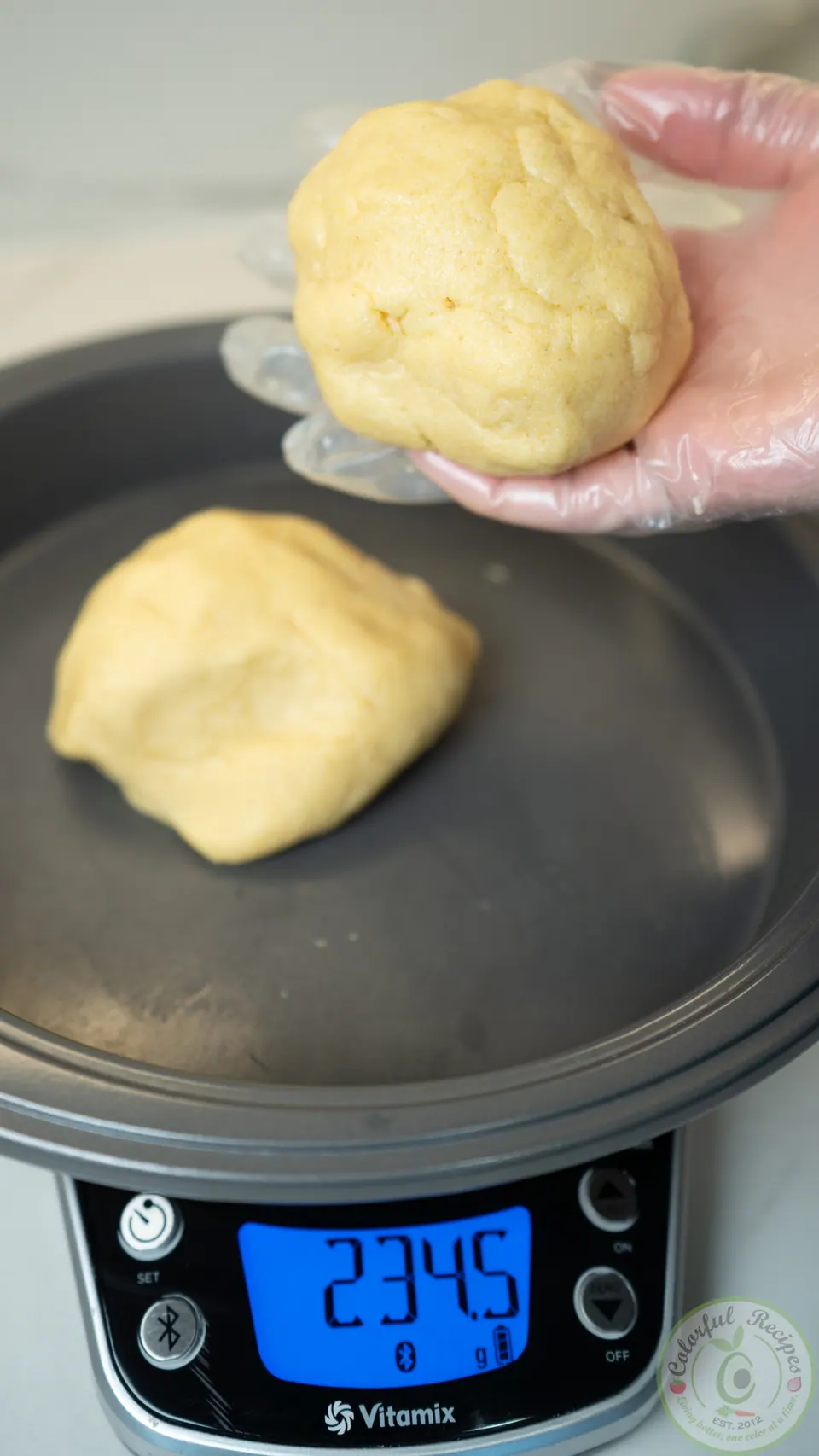
Divide the dough into 4 equal portions.
3
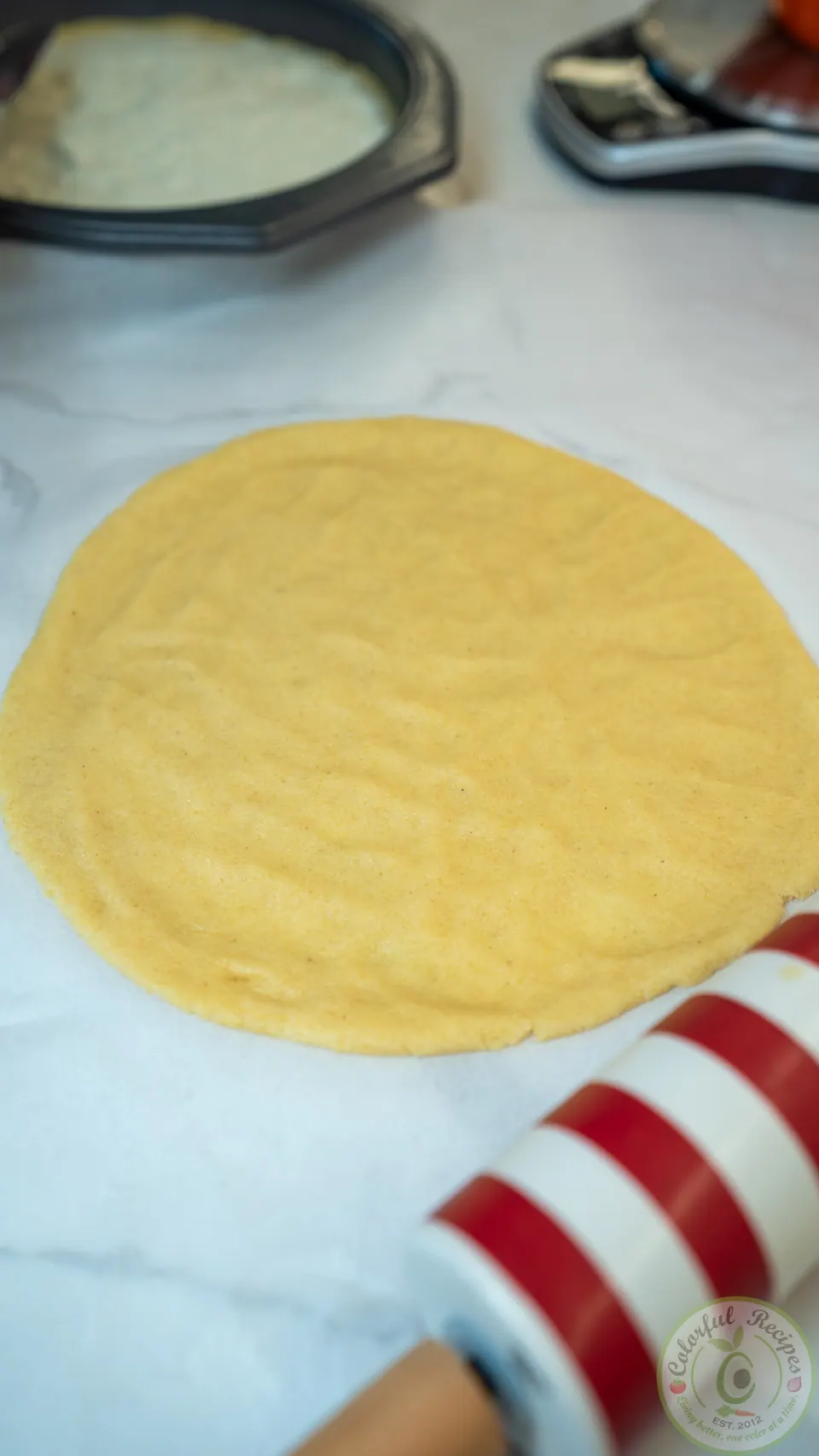
On parchment paper, roll out 2 of the portions to a 9″ diameter.
4
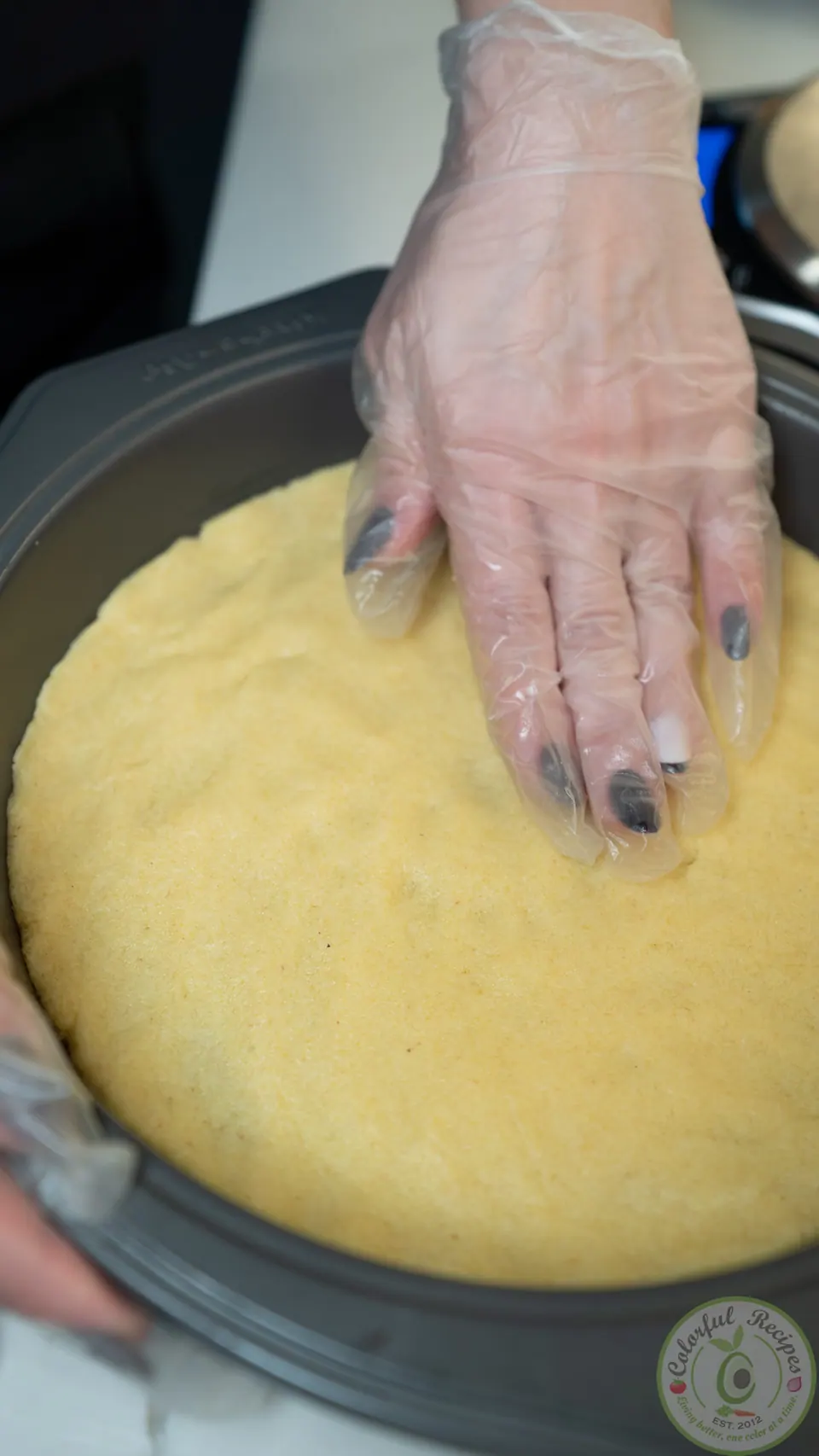
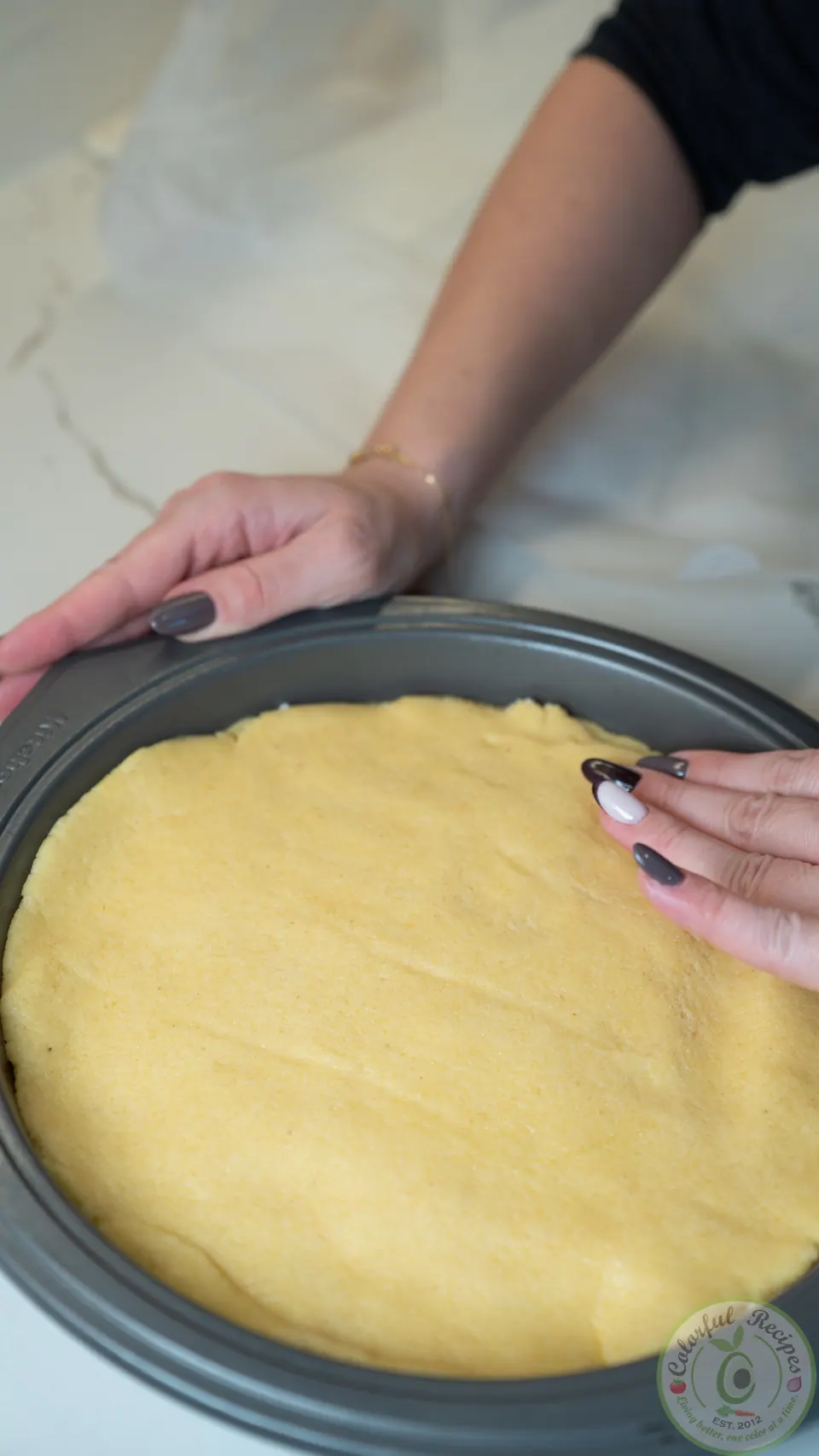
Press the 2 remaining dough portions evenly into the bottom of two 9″ cake pans, extending about 1/2 inch up the sides of the pan. No need to grease the pans.
5
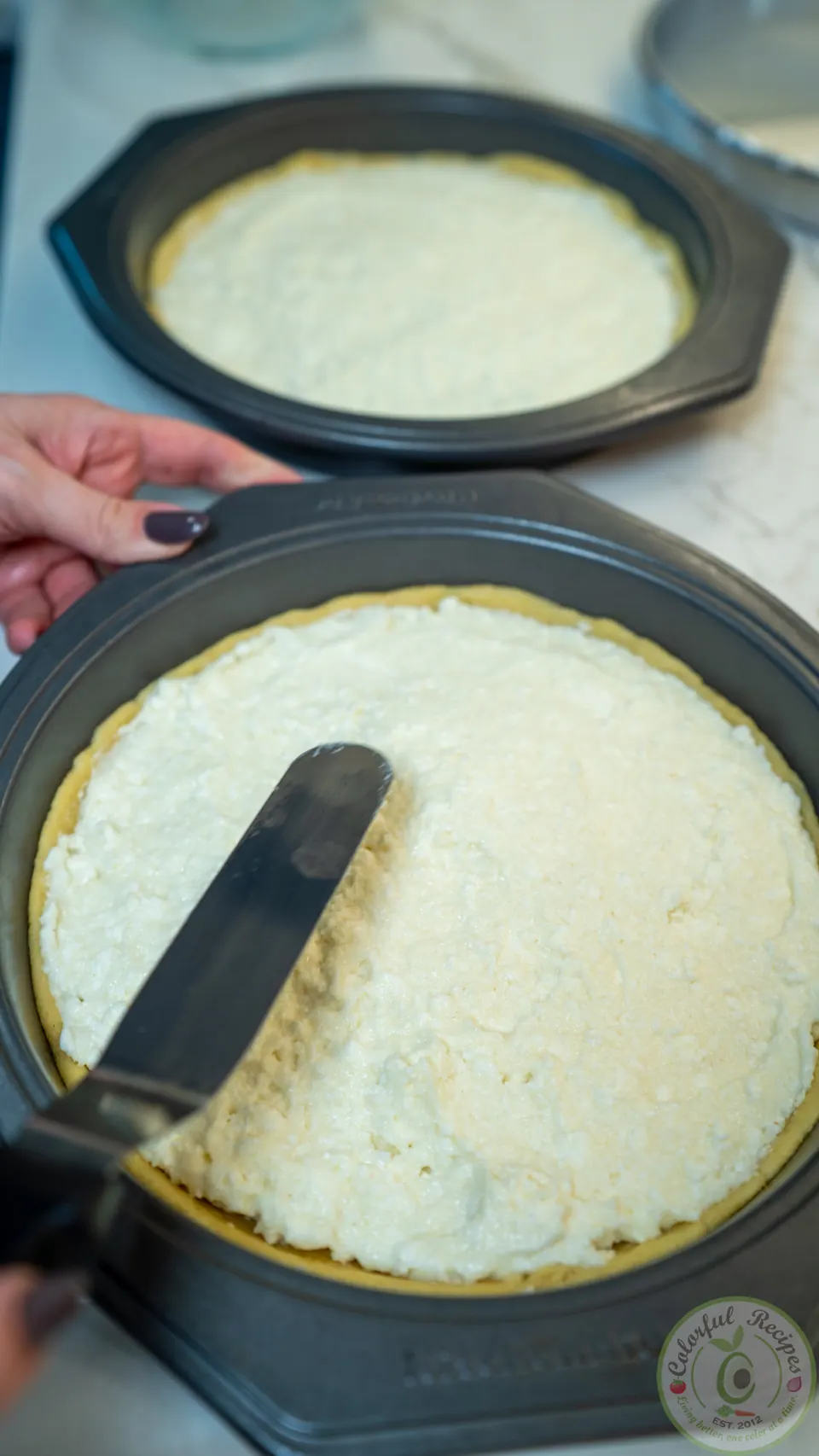
Spread the ashta filling evenly in both pans, leaving 1/2 inch of clearance around the edges.
6
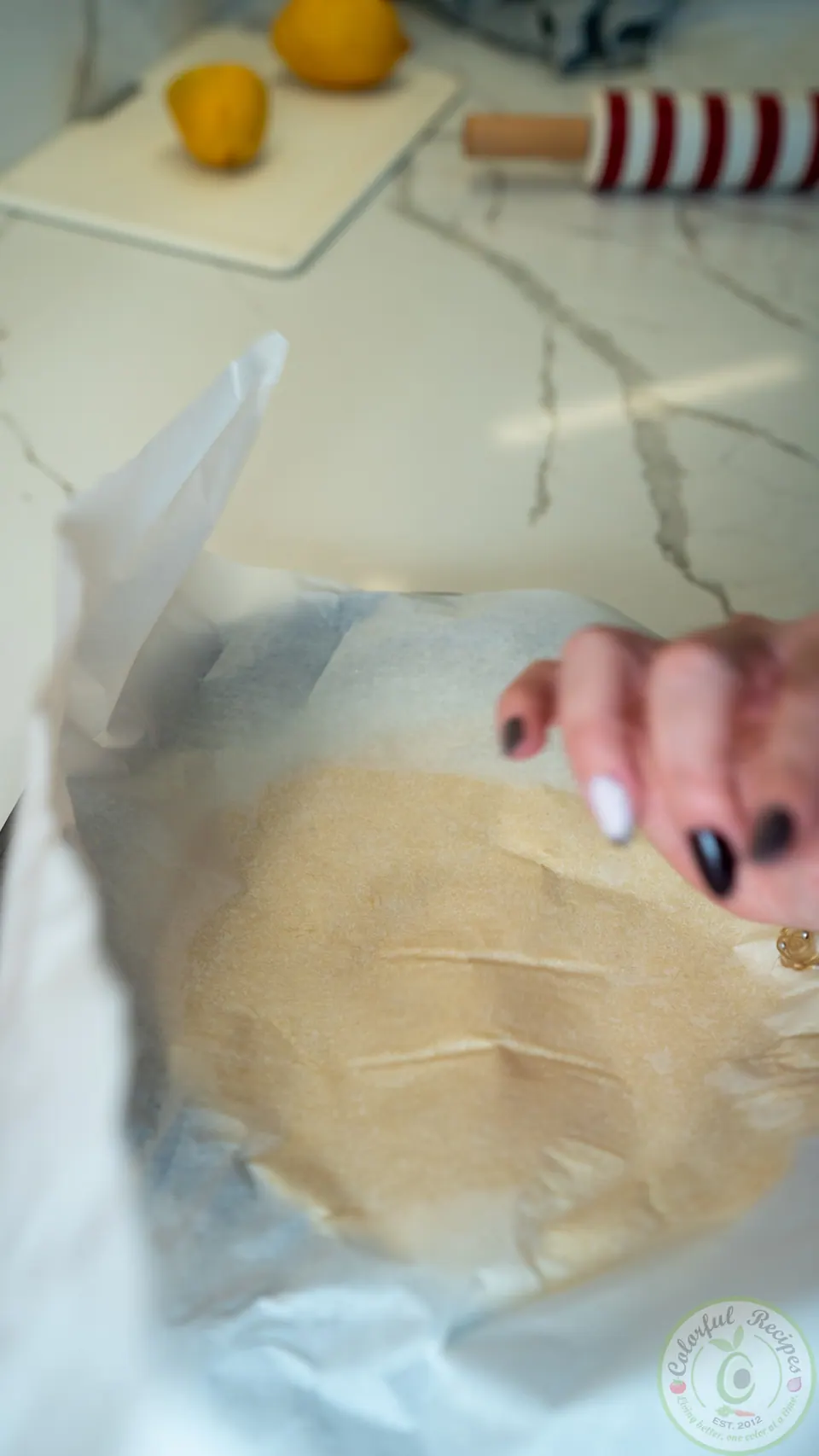
Place the 2 other rolled-out portions of dough on top of the ashta filling.
7
Press the edges down using a knife or cream spreader to seal the filling between the bottom and top dough layers.
Baking and Finishing Touches
1
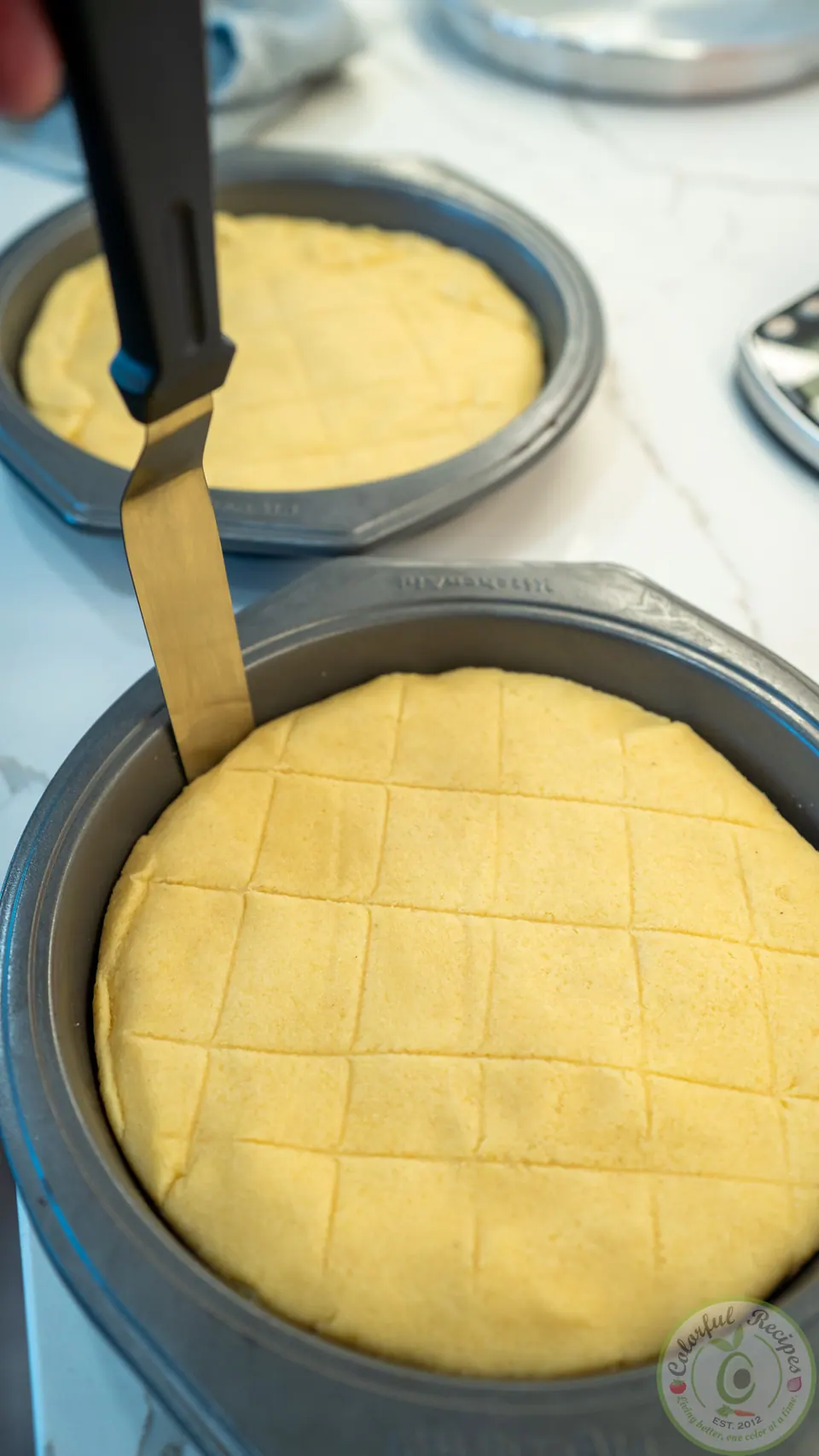
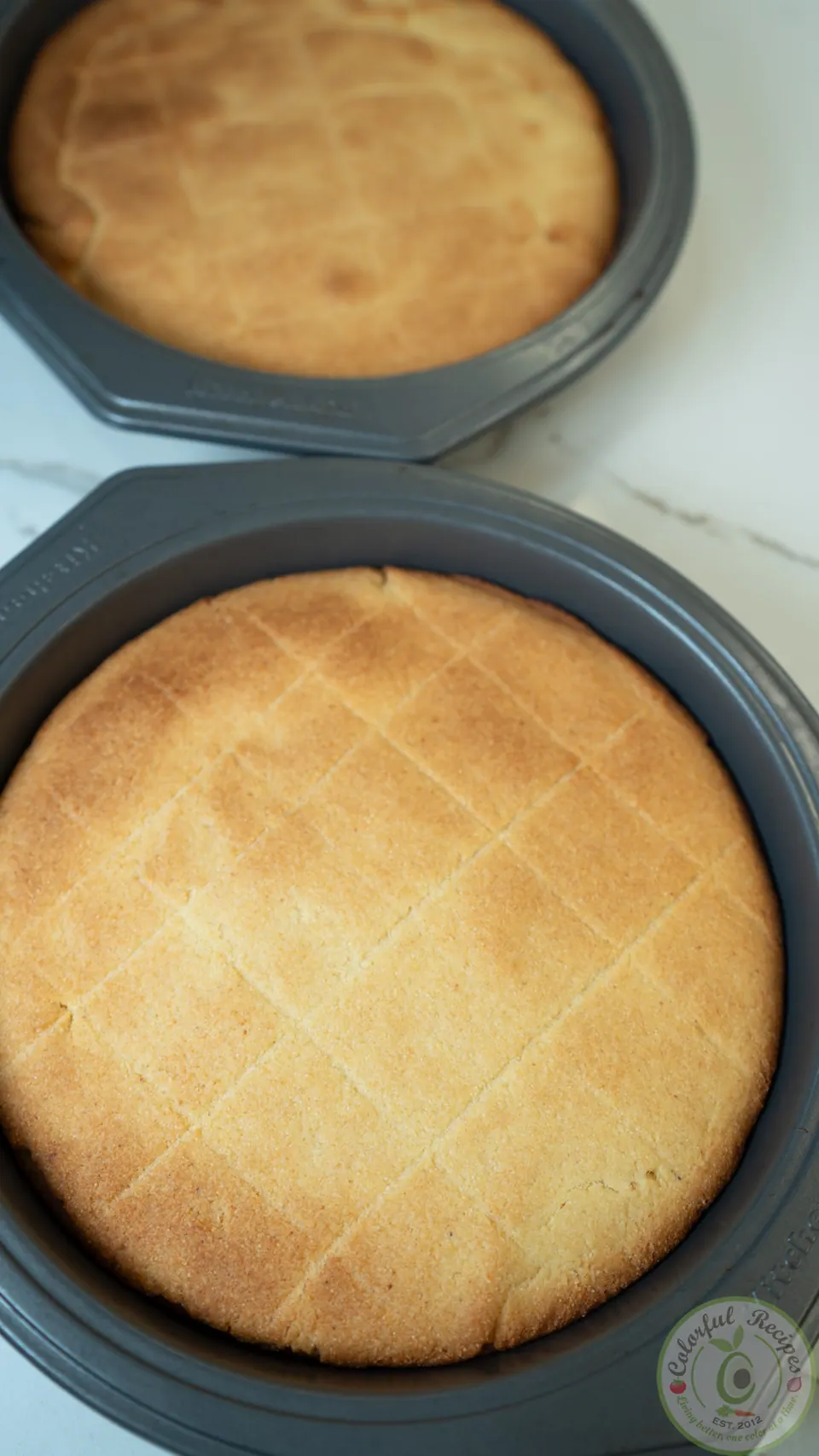
Score the top layer with a knife without cutting all the way through. This makes cutting easier later.
2
Bake on the middle rack at 400°F (200°C) for , or until golden brown.
3
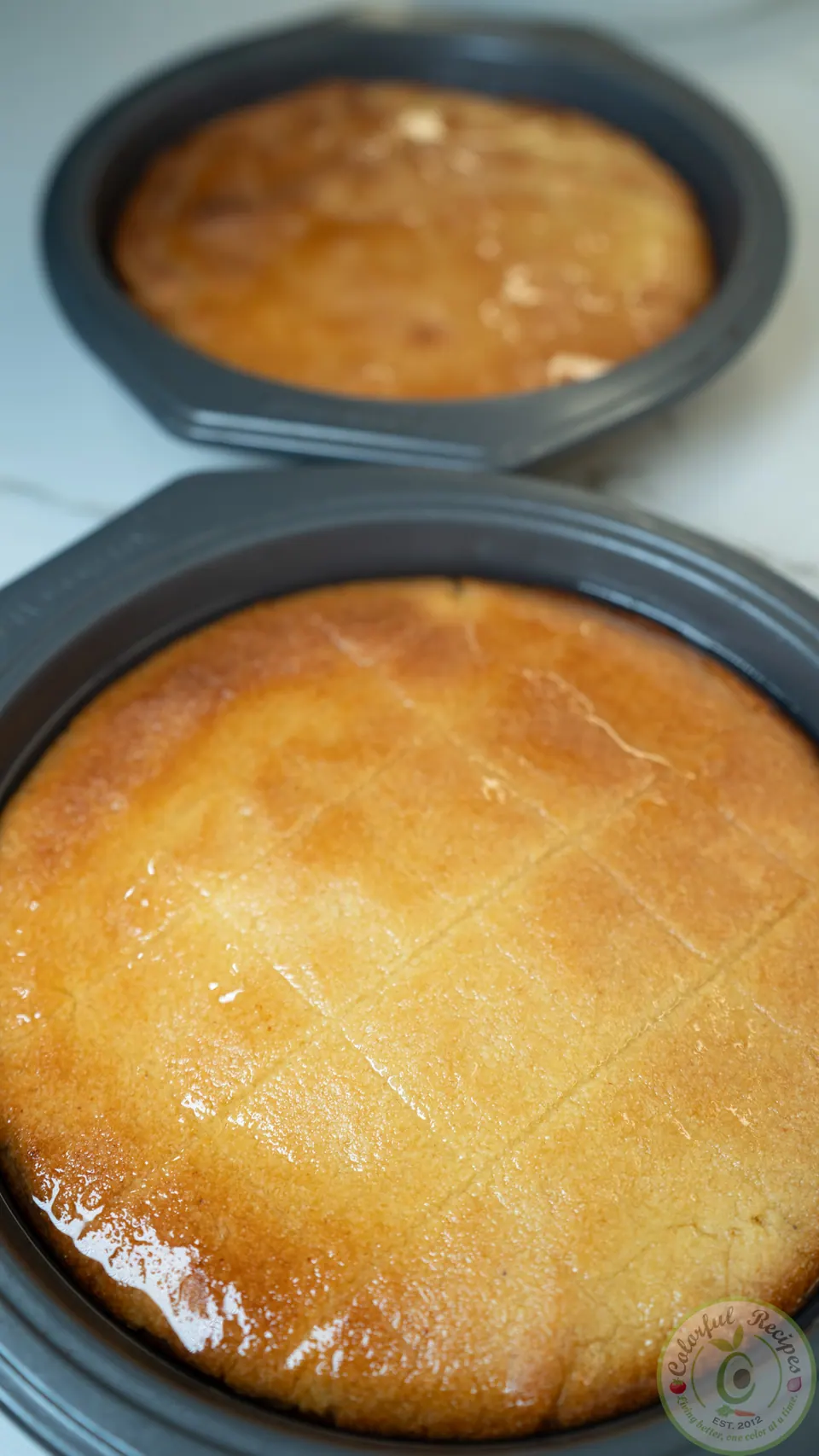
Remove from the oven and brush the surface with about 1/2 cup of sugar syrup, evenly distributing the glaze.
4
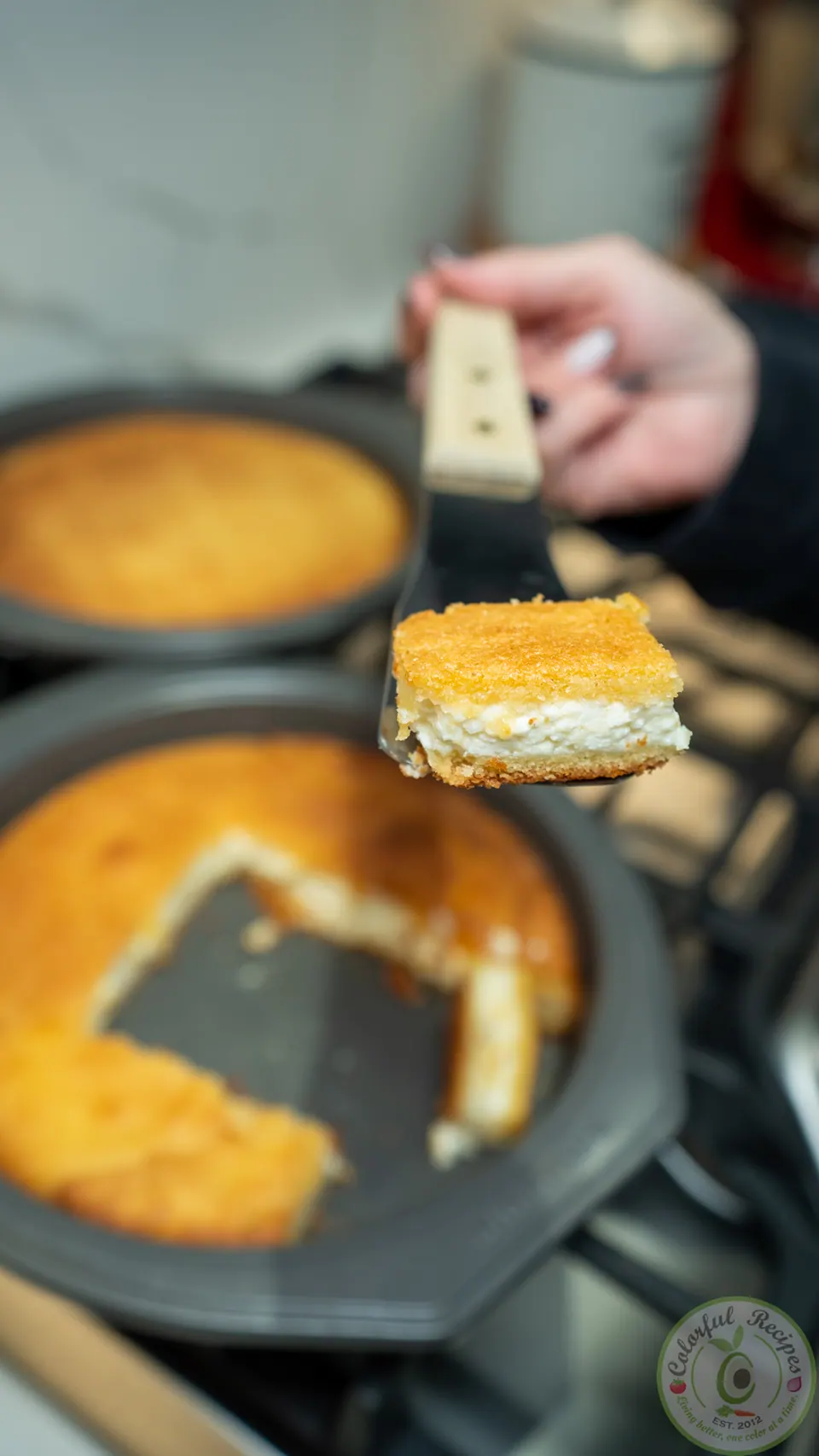
Let cool and enjoy.
Nutrition Facts
9 servings per recipe
Serving size1 square (about 1/12 of a pan)
Amount per servingCalories
230
% Daily Value*
Total Fat 9.8g13%
Saturated Fat 6g30%
Cholesterol 28mg9%
Sodium 105mg5%
Total Carbohydrate 30.3g11%
Dietary Fiber 0.9g3%
Total Sugars 13.6g
Includes 11.4g Added Sugars23%
Protein 5.6g11%
* The % Daily Value tells you how much a nutrient in a serving contributes to a daily diet. 2,000 calories a day is used for general nutrition advice.
Macro mix
230cal
10% Protein 5.6g
52% Carbs 30.3g
38% Fat 9.8g
Protein score
2.4g protein per 100 calories
TreatBalancedHighPowerhouse
Treat yourself
Nutrition is an estimate per serving, calculated from USDA ingredient data and will vary with brands and portions. Optional items not included: extra sugar syrup for serving. The recipe makes two 9-inch pans; assumes each is cut into about 12 squares. Assumes about half the sugar syrup (1/2 cup per pan) is brushed on, as described; the rest is for serving. The clotted ashta is estimated as about 270 g of whole-milk curd (similar to ricotta), since the whey is drained off. Use it as a guide, not medical advice.
Maamoul Mad bi AshtaScreen stays on
Step 1 of 35
Start by softening the 14 TBSP of butter at room temperature for or more. Do not microwave or melt the butter. A shortcut is to place the butter in a slightly warm oven for to speed up the softening. But again, do not melt the butter.
You'll need
14 tbspbutter, softened (not melted)
Preparing the Sugar Syrup
Step 2 of 35
Combine the sugar, lemon juice and water in a small saucepan.
You'll need
2 cupssugar
1 tsplemon juice
1 cupwater
Preparing the Sugar Syrup
Step 3 of 35
Heat over medium-high heat, whisking constantly until the sugar dissolves. Bring the mixture to a boil, then reduce the heat to medium and simmer for .
Preparing the Sugar Syrup
Step 4 of 35
Remove from the heat and stir in the orange blossom water.
You'll need
1 tbsporange blossom water
Preparing the Sugar Syrup
Step 5 of 35
Allow the syrup to cool completely before transferring it to a jar.
Preparing the Pastry Dough
Step 6 of 35
Whisk together the fine and coarse semolina, sugar and salt.
You'll need
1½ cupsfine semolina
1½ cupscoarse semolina
¼ cupsugar
¼ tspsalt
Preparing the Pastry Dough
Step 7 of 35
Add all the softened butter and work it in with gloved hands until fully absorbed.
Preparing the Pastry Dough
Step 8 of 35
Mix in the mahlab and instant yeast.
You'll need
½ tspmahlab
1 tspinstant yeast
Preparing the Pastry Dough
Step 9 of 35
Add the warm milk gradually as you continue to mix the ingredients by hand.
You'll need
½ cupwarm milk (at 112°F)
Preparing the Pastry Dough
Step 10 of 35
Knead by hand for .
Preparing the Pastry Dough
Step 11 of 35
Stir in 1 TBSP of orange blossom water.
You'll need
1 tbsporange blossom water (of 2 tbsp)
Preparing the Pastry Dough
Step 12 of 35
Cover and let rest at room temperature for .
Preparing the Clotted Ashta
Step 13 of 35
In a medium saucepan or pot, bring 6 cups of whole milk to a boil over medium heat.
You'll need
6 cupswhole milk
Preparing the Clotted Ashta
Step 14 of 35
Reduce the heat to low and stir gently.
Preparing the Clotted Ashta
Step 15 of 35
Add 2 TBSP of vinegar and continue stirring gently, allowing the milk to separate. The clotted ashta will rise to the top.
You'll need
2 tbspvinegar (regular or rice vinegar)
Preparing the Clotted Ashta
Step 16 of 35
Strain the liquid completely and set aside.
Preparing the Ashta Cream
Step 17 of 35
In a large pot, combine 3 1/2 cups whole milk, 1/4 cup fine semolina and 2 TBSP sugar.
You'll need
3½ cupswhole milk
¼ cupfine semolina
2 tbspsugar
Preparing the Ashta Cream
Step 18 of 35
Stir constantly over medium heat until the mixture begins to boil.
Preparing the Ashta Cream
Step 19 of 35
Reduce the heat a little (not to low) and continue stirring for about or until the ashta thickens a little bit. If you have trouble with this, you can add 1 TSP of cornstarch, but I usually find that unnecessary.
Preparing the Ashta Cream
Step 20 of 35
Remove from the heat and stir in 1 TBSP orange blossom water.
You'll need
1 tbsporange blossom water
Combining the Ashta
Step 21 of 35
Crumble the clotted ashta into the ashta cream.
Combining the Ashta
Step 22 of 35
Mix until fully incorporated.
Combining the Ashta
Step 23 of 35
Transfer the mixture to a bowl and cover tightly, making sure the covering touches the surface of the ashta.
Combining the Ashta
Step 24 of 35
Let cool completely at room temperature.
Assembling the Pastry
Step 25 of 35
Knead the dough for 1 more minute and add another 1 TBSP of orange blossom water.
You'll need
1 tbsporange blossom water (of 2 tbsp)
Assembling the Pastry
Step 26 of 35
Divide the dough into 4 equal portions.
Assembling the Pastry
Step 27 of 35
On parchment paper, roll out 2 of the portions to a 9″ diameter.
Assembling the Pastry
Step 28 of 35
Press the 2 remaining dough portions evenly into the bottom of two 9″ cake pans, extending about 1/2 inch up the sides of the pan. No need to grease the pans.
Assembling the Pastry
Step 29 of 35
Spread the ashta filling evenly in both pans, leaving 1/2 inch of clearance around the edges.
Assembling the Pastry
Step 30 of 35
Place the 2 other rolled-out portions of dough on top of the ashta filling.
Assembling the Pastry
Step 31 of 35
Press the edges down using a knife or cream spreader to seal the filling between the bottom and top dough layers.
Baking and Finishing Touches
Step 32 of 35
Score the top layer with a knife without cutting all the way through. This makes cutting easier later.
Baking and Finishing Touches
Step 33 of 35
Bake on the middle rack at 400°F (200°C) for , or until golden brown.
Baking and Finishing Touches
Step 34 of 35
Remove from the oven and brush the surface with about 1/2 cup of sugar syrup, evenly distributing the glaze.
Baking and Finishing Touches
Step 35 of 35
Let cool and enjoy.
Behind the recipe
The story, tips & photos
Let's delve into the world of Maamoul Mad bi Ashta, exploring its history, ingredients and preparation. I'll also walk you through how to make this heavenly dessert at home, step by step.
A brief history of Maamoul Mad bi Ashta
Maamoul Mad bi Ashta is a classic Lebanese and Levantine semolina dessert, a variation of maamoul, the beloved filled semolina cookies served on holidays and special occasions.
"Ma'moul mad" means maamoul spread in a pan, instead of shaped into individually molded cookies. "Bi ashta" means it's filled with ashta, Lebanese clotted cream. This dessert is a testament to the Lebanese love for sweets and creativity in combining flavors and textures.
The ingredients in Maamoul Mad bi Ashta
Maamoul Mad bi Ashta is a harmonious blend of ingredients, each playing a crucial role in the dessert's overall flavor and texture. The main ingredients include:
Unsalted butter, softened to perfection
Fine and coarse semolina, providing a delicate crunch
Sugar, adding a touch of sweetness
Mahlab, a Middle Eastern spice that lends a unique flavor
Instant yeast, ensuring the dough rises to perfection
Orange blossom water, infusing the dessert with a fragrant aroma
Ashta cream, a creamy filling made from milk, semolina and sugar
How to make Maamoul Mad bi Ashta, step by step
Making Maamoul Mad bi Ashta is a labor of love that requires patience, attention to detail and a bit of practice. Here's a step-by-step guide to help you create this stunning dessert at home.
Softening the butter
Leave 14 tablespoons of unsalted butter at room temperature for at least 3 hours. This will make sure the butter is soft and pliable, so it's easier to work with.
Making the perfect ashta
Are you ready to dive into the world of Lebanese desserts? Look no further! Today we're going to explore the magical realm of ashta (clotted cream), which will take your taste buds on a wild ride.
Ashta step 1: Making the clotted ashta
To start, you'll need to make the clotted ashta. This is the foundation of your dessert, and trust me, it's worth the extra effort. Here's what you need to do:
1. Begin by boiling 6 cups of whole milk in a medium saucepan or pot. Yes, it's a lot of milk, but don't worry, it'll be worth it!
2. Once the milk has reached a rolling boil, reduce the heat to low and stir gently. You want to coax the milk into a gentle simmer.
3. Now it's time to add the magic ingredient: 2 tablespoons of vinegar. Stir lightly, allowing the milk to separate and the clotted cream to rise to the surface.
4. Strain the liquid completely to separate the cream. You should be left with a crumbly mixture that's just begging to be used.
Ashta step 2: Making the ashta cream
With your clotted ashta set aside after straining, it's time to move on to the next step: making the ashta cream.
1. In a large pot, combine 3 1/2 cups of whole milk, 1/4 cup of fine semolina and 2 tablespoons of sugar. Stir constantly over medium heat until the mixture begins to boil.
2. Reduce the heat slightly and continue stirring for 5 minutes to prevent sticking. You want to create a smooth, creamy texture here.
3. Keep stirring until the ashta thickens. This should take around 10-15 minutes, depending on your heat and stirring skills.
4. Remove the pot from the heat and stir in 1 tablespoon of orange blossom water. This will give your ashta a beautiful, fragrant flavor that's just irresistible.
Ashta step 3: Bringing it all together
Now that you have your clotted ashta and ashta cream, it's time to bring them together in perfect harmony.
1. Crumble the prepped and strained clotted ashta into the ashta cream. Yes, it's OK to get a little messy. This is the fun part!
2. Mix until fully incorporated. You want to create a smooth, creamy texture that's just perfect for your Maamoul Mad bi Ashta.
3. Transfer the mixture to a bowl and cover tightly, making sure the covering touches the ashta. This helps keep air out so it doesn't ruin your beautiful ashta.
4. Let it cool completely at room temperature. This is the hardest part: waiting for your ashta to cool so you can use it!
Preparing the sugar syrup
Combine 1 cup of water, 2 cups of sugar and 1 teaspoon of lemon juice in a saucepan. Bring the mixture to a boil, then reduce the heat and simmer for 10 minutes. Stir in 1 tablespoon of orange blossom water and set the syrup aside to cool completely.
Preparing the pastry dough
Whisk together 1.5 cups of fine semolina, 1.5 cups of coarse semolina, 1/4 cup of sugar and 1/4 teaspoon of salt. Add the softened butter and work it into the mixture with gloved hands until fully absorbed. Mix in 0.5 teaspoon of mahlab and 1 teaspoon of instant yeast. Gradually add 1/2 cup of warm milk (at 112°F) and knead the dough by hand for 2 minutes. Stir in 1 tablespoon of orange blossom water, cover the dough and let it rest at room temperature for 1 hour.
Assembling the pastry
This recipe makes 2 pastries in 2 separate 9-inch round cake pans, because a single 9-inch pan is too small to hold all the dough and filling. Each pan gets a bottom layer of dough, half of the ashta filling and a top layer of dough.
Divide the dough into 4 equal portions. I highly recommend using a scale. Roll out the first portion to fit the size of the baking pan and set it aside. Press the second portion into the first 9-inch round cake pan, covering the entire surface and extending about 1/2 inch up the sides. Spread half of the combined ashta filling on top, leaving a 1/2-inch border around the edges to prevent overflow. Place the rolled-out first portion of dough on top of the ashta filling and press the edges to seal the pastry. I use parchment paper to transfer the top layer of dough onto the filling. Repeat with the remaining 2 portions of dough and the rest of the filling in the second pan. The pictures below show you exactly how.
Finishing touches
Score the top layer of dough with a knife or pastry cutter to create square shapes. Bake the pastry in a preheated oven at 400°F (200°C) for 30 minutes, or until golden brown. Remove the pastry from the oven and brush the surface with about 1/2 cup of sugar syrup, distributing the glaze evenly.
How to store Maamoul Mad bi Ashta
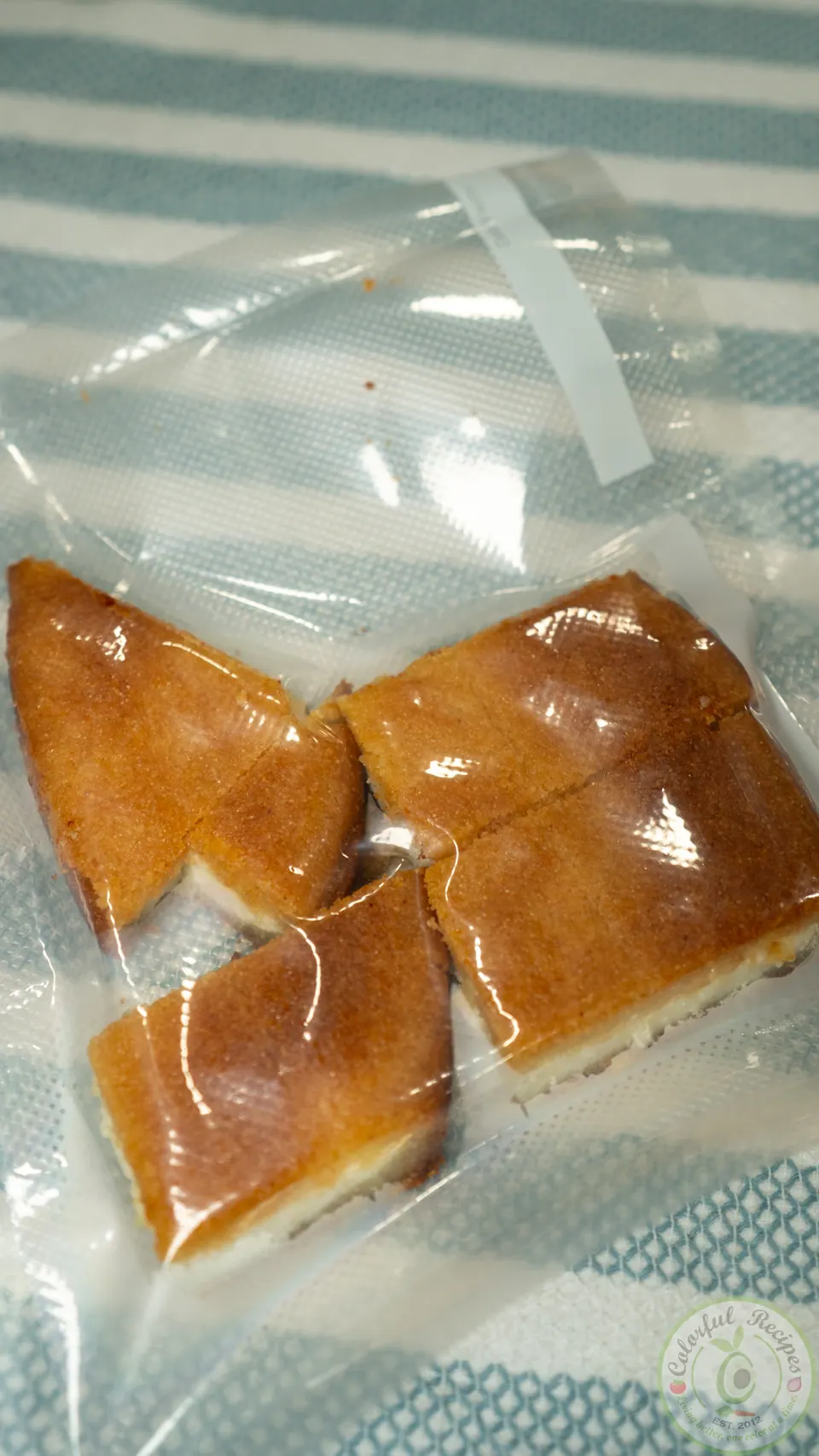
If you're like us and like to save some to savor later, consider gently vacuum sealing the cut pieces of Maamoul Mad bi Ashta and storing them in the freezer. To revive them, simply microwave for 15 seconds or so, add some sugar syrup and enjoy.
You sure can! Ricotta would be an excellent choice as a filling for this recipe. It is however a bit lighter than Ashta and not the traditional method to make this recipe. I would say don’t skip the orange blossom and rose water in the sugar syrup. That should help you maintain most of the overall taste of this recipe despite substituting Ashta with Ricotta. Let us know how it turns out!
GTGiovanna Taylor
I had this dessert recently, it was delicious!
Can you use ricotta cheese in this recipe. it appears similar to the clotted ashta??

Questions & comments 2
Leave a commentYou sure can! Ricotta would be an excellent choice as a filling for this recipe. It is however a bit lighter than Ashta and not the traditional method to make this recipe. I would say don’t skip the orange blossom and rose water in the sugar syrup. That should help you maintain most of the overall taste of this recipe despite substituting Ashta with Ricotta. Let us know how it turns out!
I had this dessert recently, it was delicious!
Can you use ricotta cheese in this recipe. it appears similar to the clotted ashta??